
Stories of material and craft
Workshop notes, craft and inspiration around solid wood and interiors.

Slow decor: furnish less, but better
Social media invented a strange object: the “finished” interior, photographed on delivery day, perfect and interchangeable. Slow decor proposes the opposite — a home built slowly, in layers, at the pace of finds and means, never finished because a life never is.

Handcrafted or industrial: how to spot truly handmade furniture
“Handmade”, “artisanal”, “crafted with love”: workshop vocabulary has become an advertising claim nobody polices. Fortunately, genuine handwork leaves material clues — six, precisely — that no marketing department can counterfeit.

Heating, winter and solid wood: how to prevent cracks
Every year, the same calendar: radiators come on in October, and the worried messages arrive in January — “a crack has appeared on my tabletop”. The heating season is the real test of solid wood furniture. Good news: it can be prepared for, and almost everything is won through prevention.
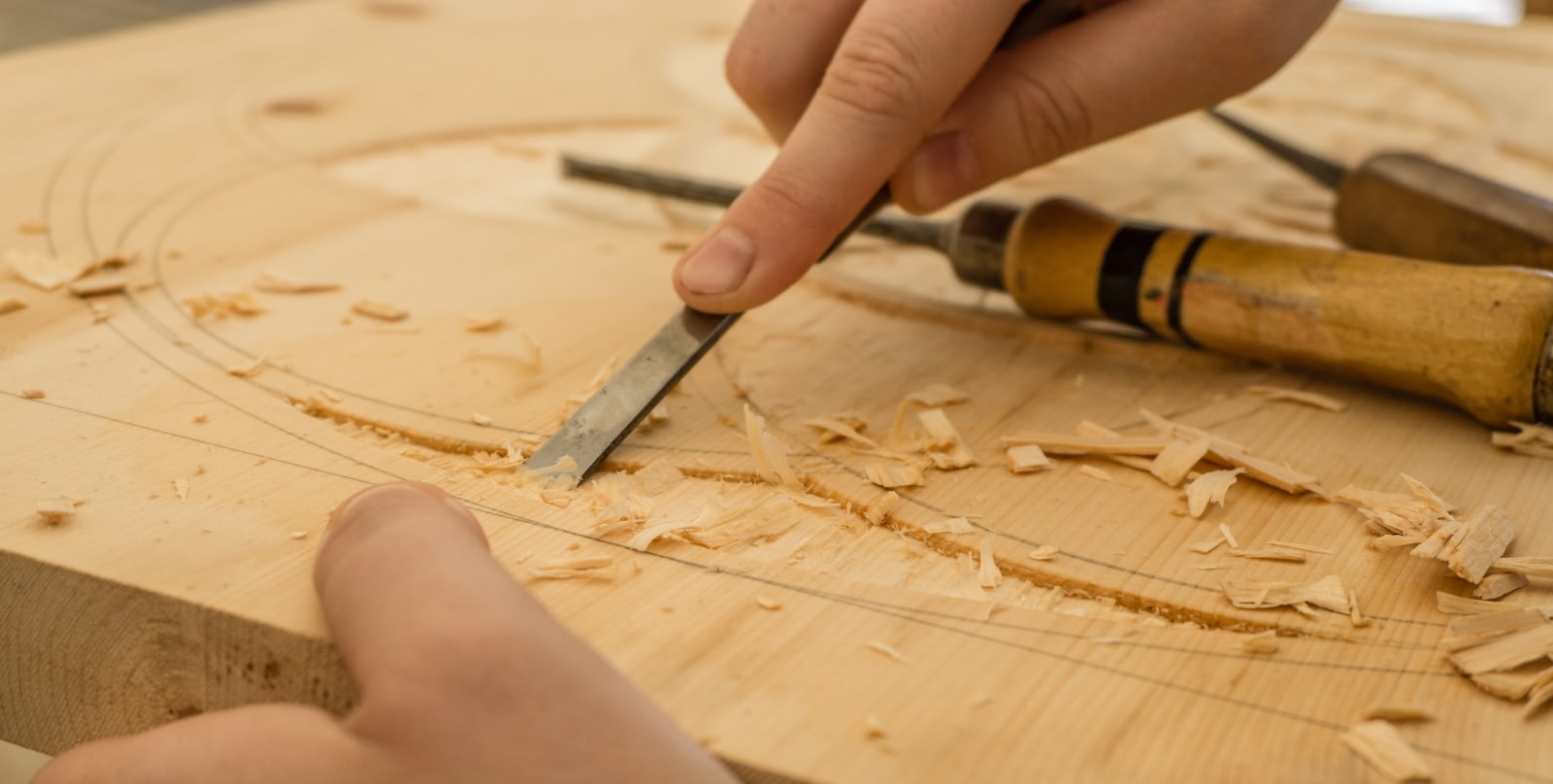
Jepara, capital of wood: where our pieces are born
On the north coast of Java, between rice fields and sea, there is a town where wood is a mother tongue: Jepara. People have carved here for centuries, parent to child, to the point that Indonesia calls it “the carving town”. This is where every Maison Miraku piece is born.
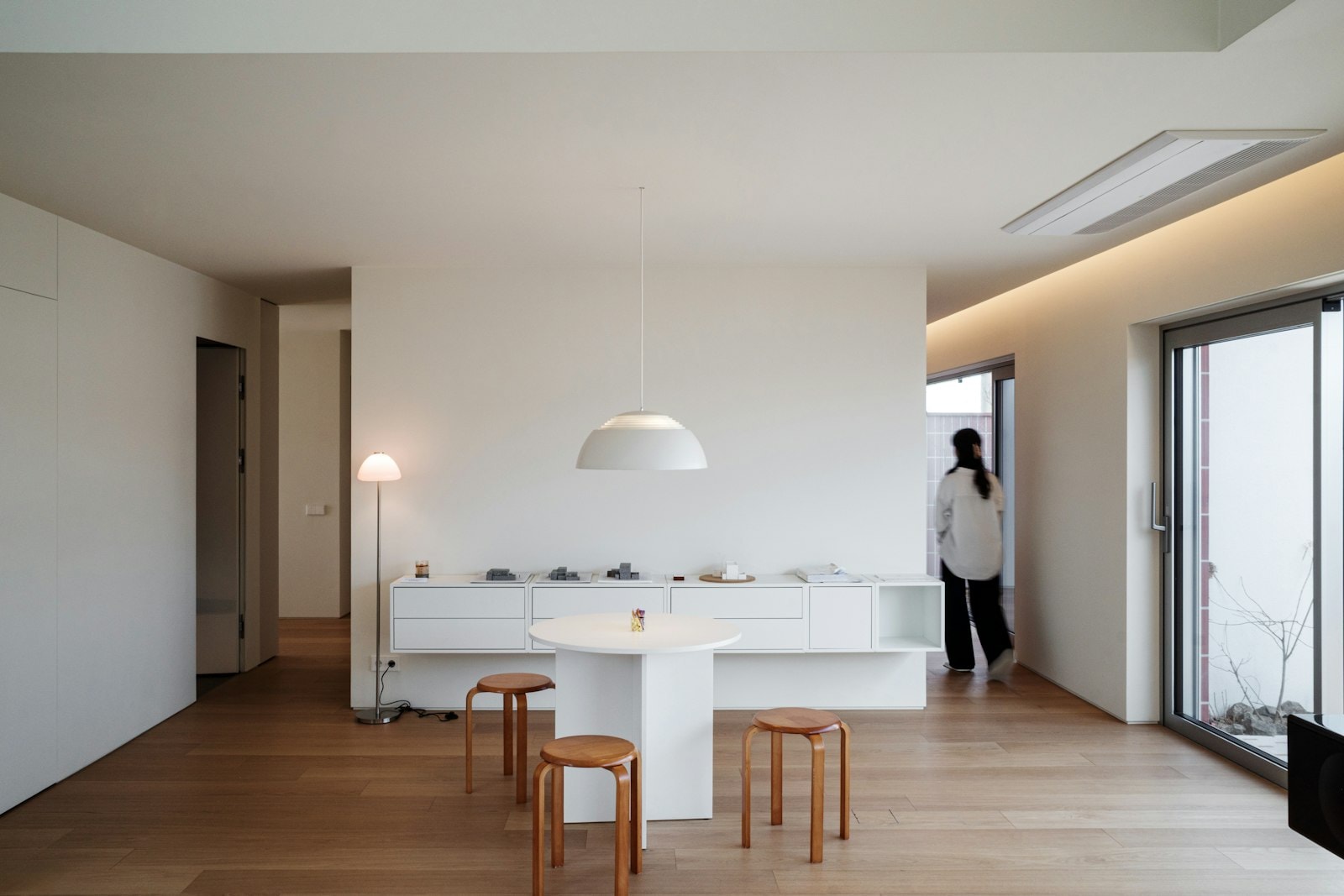
Japandi: pairing solid wood with Japanese minimalism
A contraction of “Japan” and “Scandinavian”, japandi is that rare decor trend that doesn't fade — because it isn't really one. It's the meeting of two traditions which, without knowing each other, had reached the same conclusion: few objects, honest materials, forms in service of use.

Warming up your home for autumn (buying almost nothing)
There's a moment in late August when the light tips over: you stop fleeing the house and start wanting to come home to it. Warming an interior for autumn doesn't require renovation or a decor spree — mostly rearranging, a few materials, and a fresh look at what you already own.
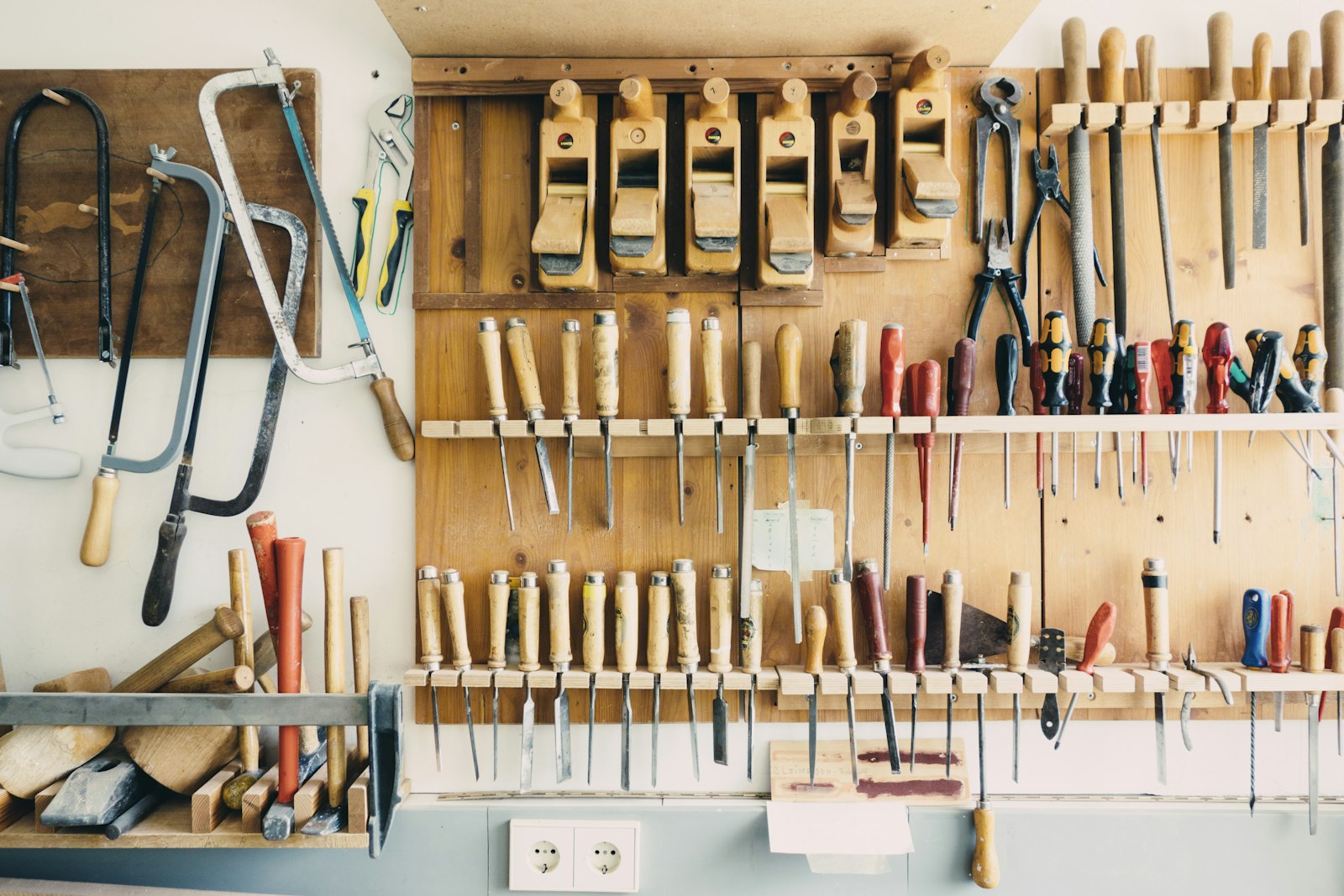
Why solid wood furniture costs more (and lasts longer)
It's the most honest objection there is: “it's beautiful, but it's expensive”. So let's face it squarely. Yes, solid wood furniture costs more than veneered board. Here's what that price actually contains — and why, spread over years of use, it almost always ends up reversing.
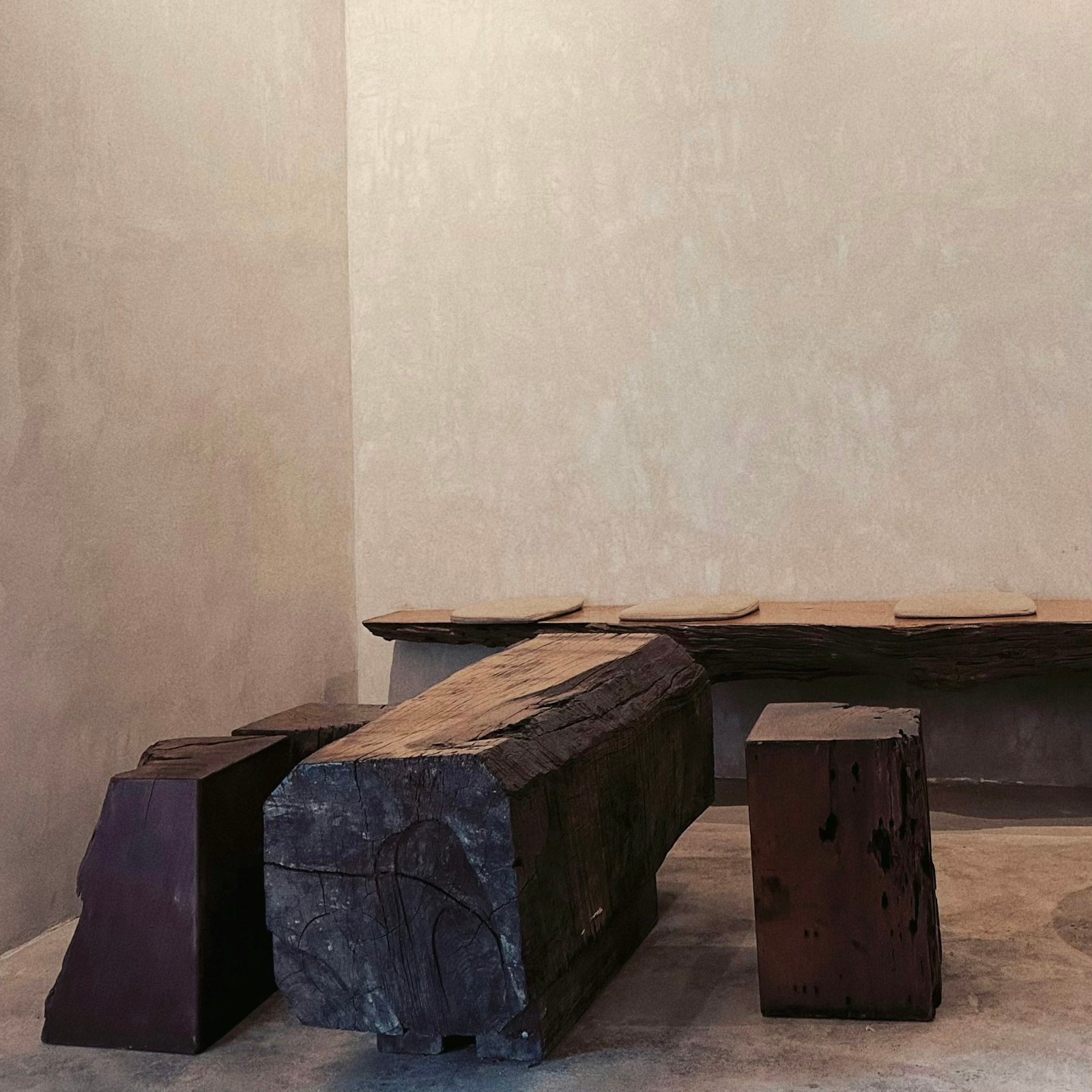
Wabi-sabi at home, without the cliché
Wabi-sabi has become a decor hashtag, often reduced to “beige and crumpled linen”. A pity, because the original idea runs deeper: finding beauty in the imperfect, the irregular, the unfinished — in what time does to things, rather than in spite of it.

SVLK, FLEGT, EUDR: what actually guarantees legal timber
“Wood from sustainably managed forests”: the phrase is everywhere, and guarantees nothing. Behind tropical furniture, though, there are real control systems — verifiable and demanding. Three acronyms sum them up: SVLK, FLEGT, EUDR — and they deserve to be understood by anyone buying exotic wood furniture.
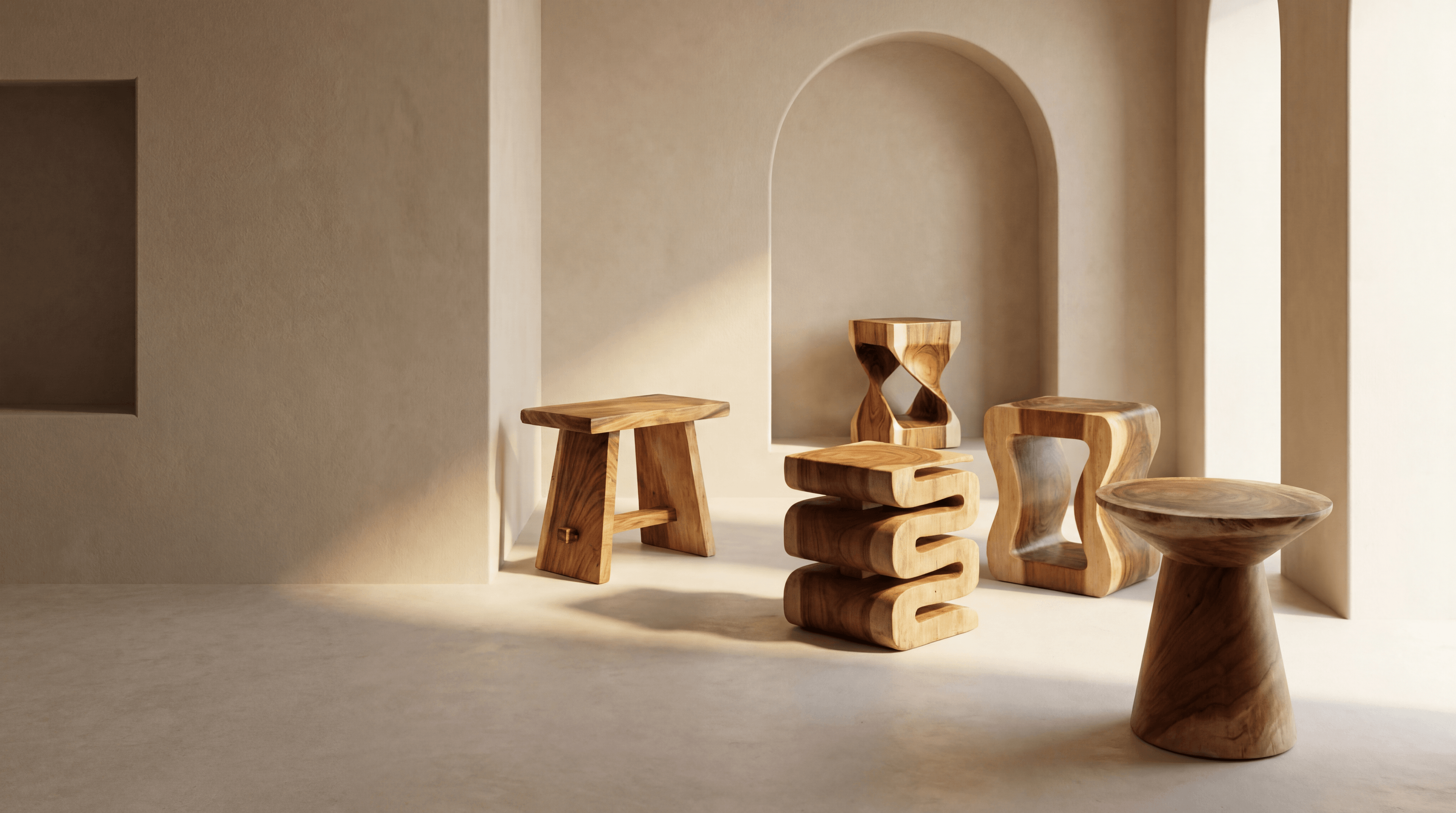
Side table, plant stand, bedside: choosing the right accent piece
It's the piece you never planned for that ends up holding everything: the evening book, the morning cup, the plant that was looking for its spot. The accent piece is the most versatile item in a home — provided you choose it for use, not just for the photo.
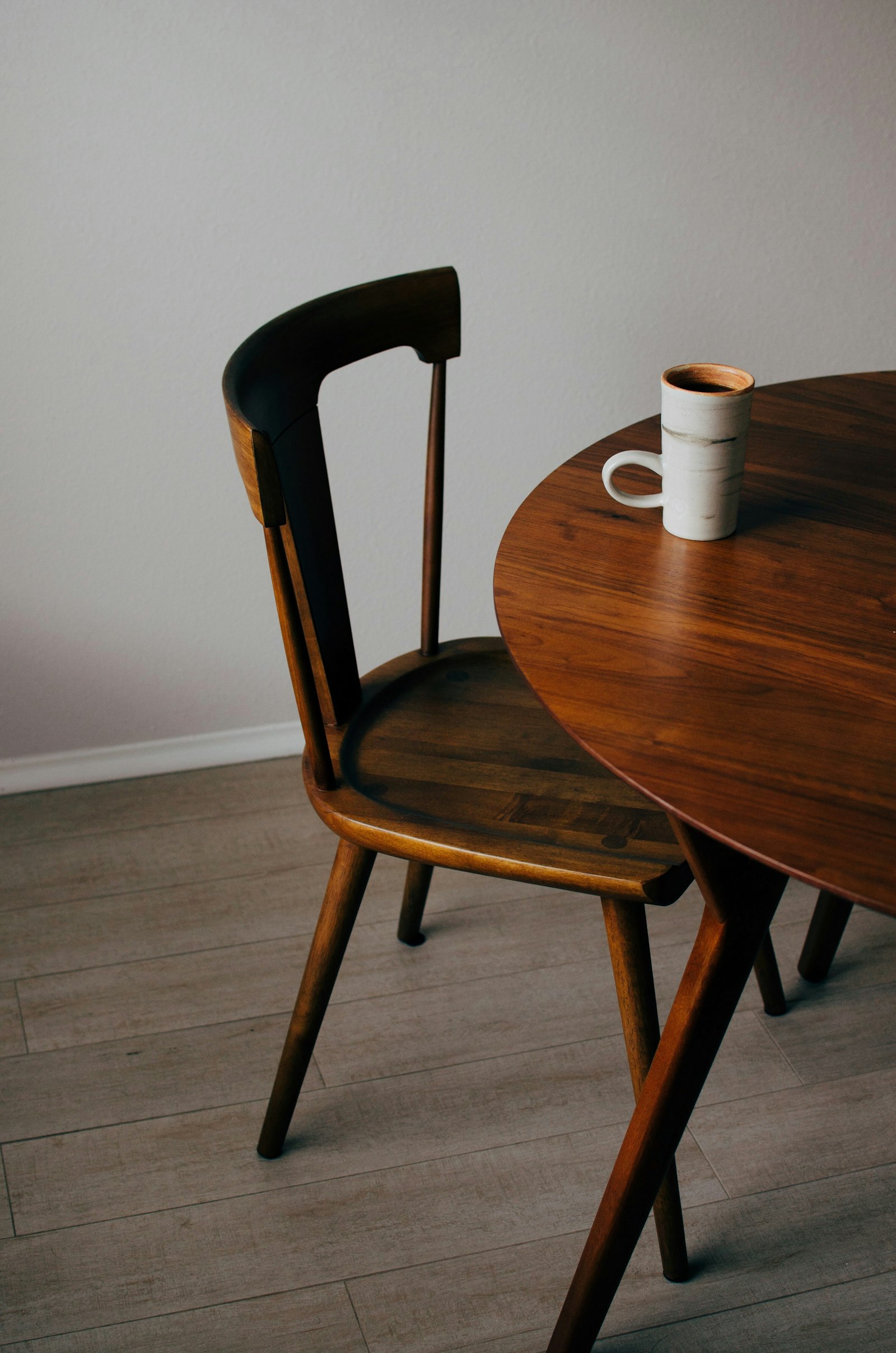
White ring or mark on a wooden table: what to do?
A forgotten glass, a scalding mug, a sweating vase: the white ring is the most common wound on wooden furniture — and the most repairable, provided you understand where it comes from and start with the gentlest gestures.
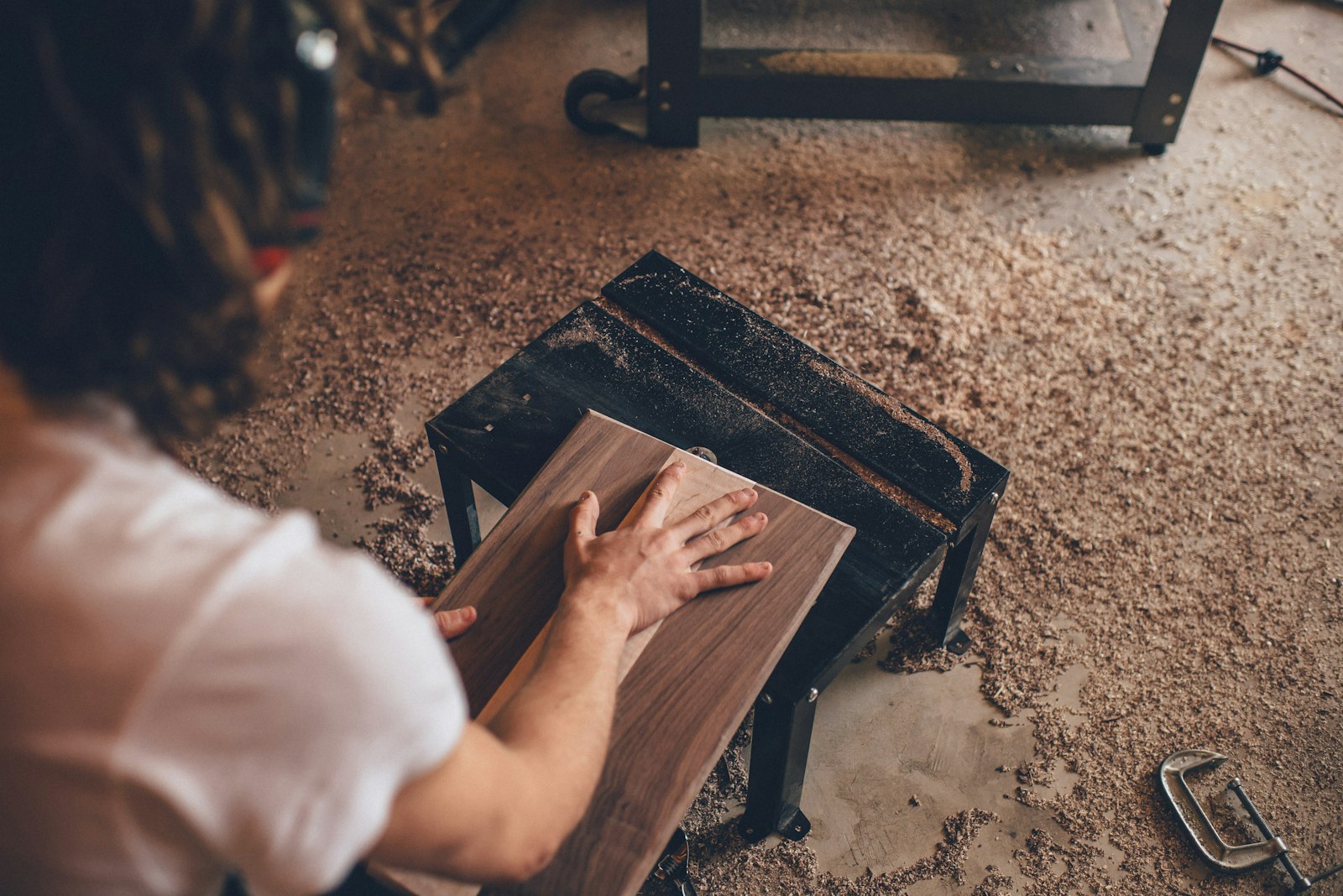
A scratch on wooden furniture: fix it without sanding it all
It always ends up happening: keys dropped too fast, a toy dragged across, the moving box. On oiled solid wood furniture, though, a scratch is never a death sentence — it's a touch-up waiting its turn. But start by understanding it, because the right gesture depends on its depth.
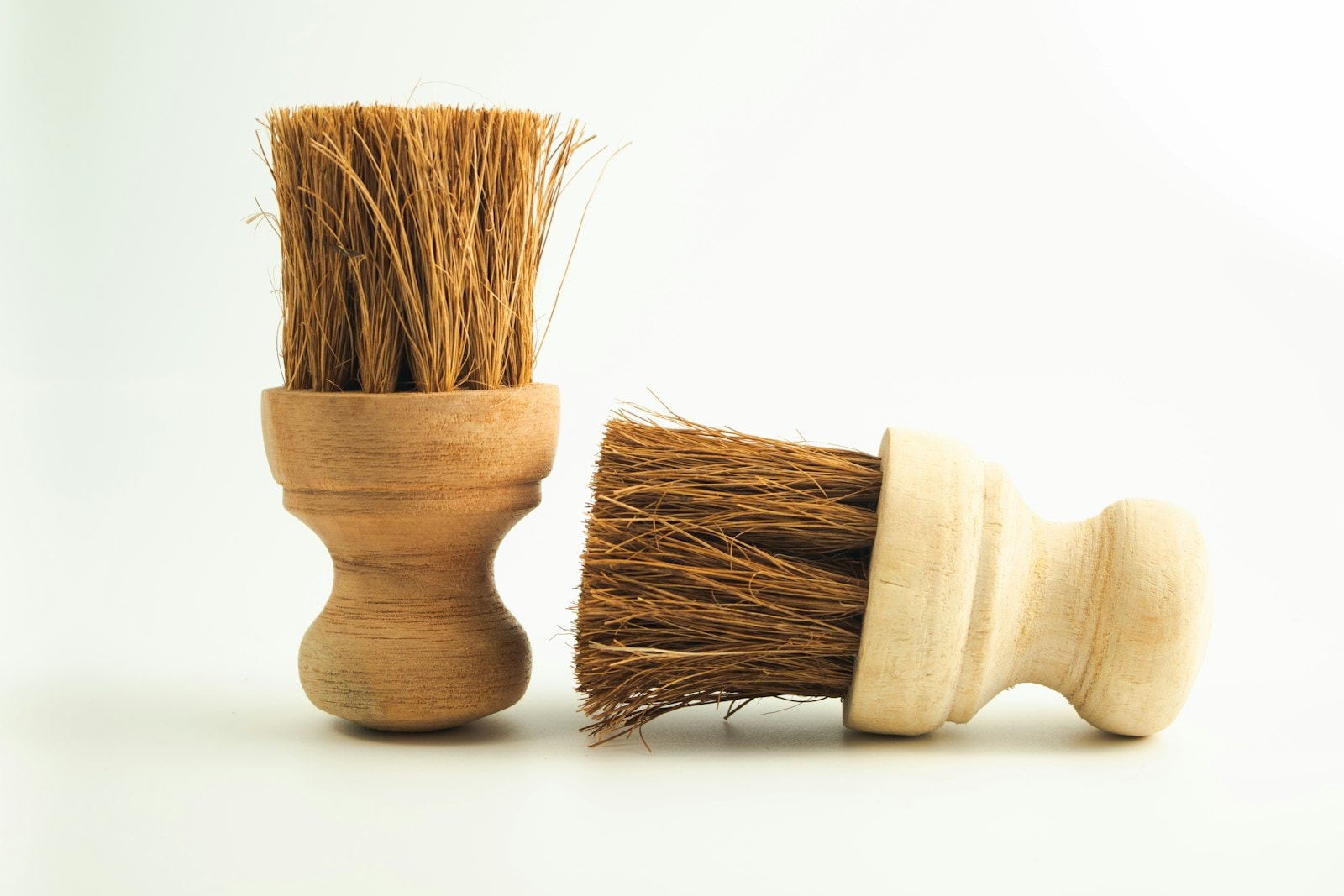
Cleaning wooden furniture: the products to avoid at all costs
The cleaning aisle of a supermarket would have you believe wooden furniture demands an arsenal. It's the opposite: solid wood needs almost nothing, and half of what's sold for it does harm. Here's the blacklist — and the minimalist routine that truly suffices.
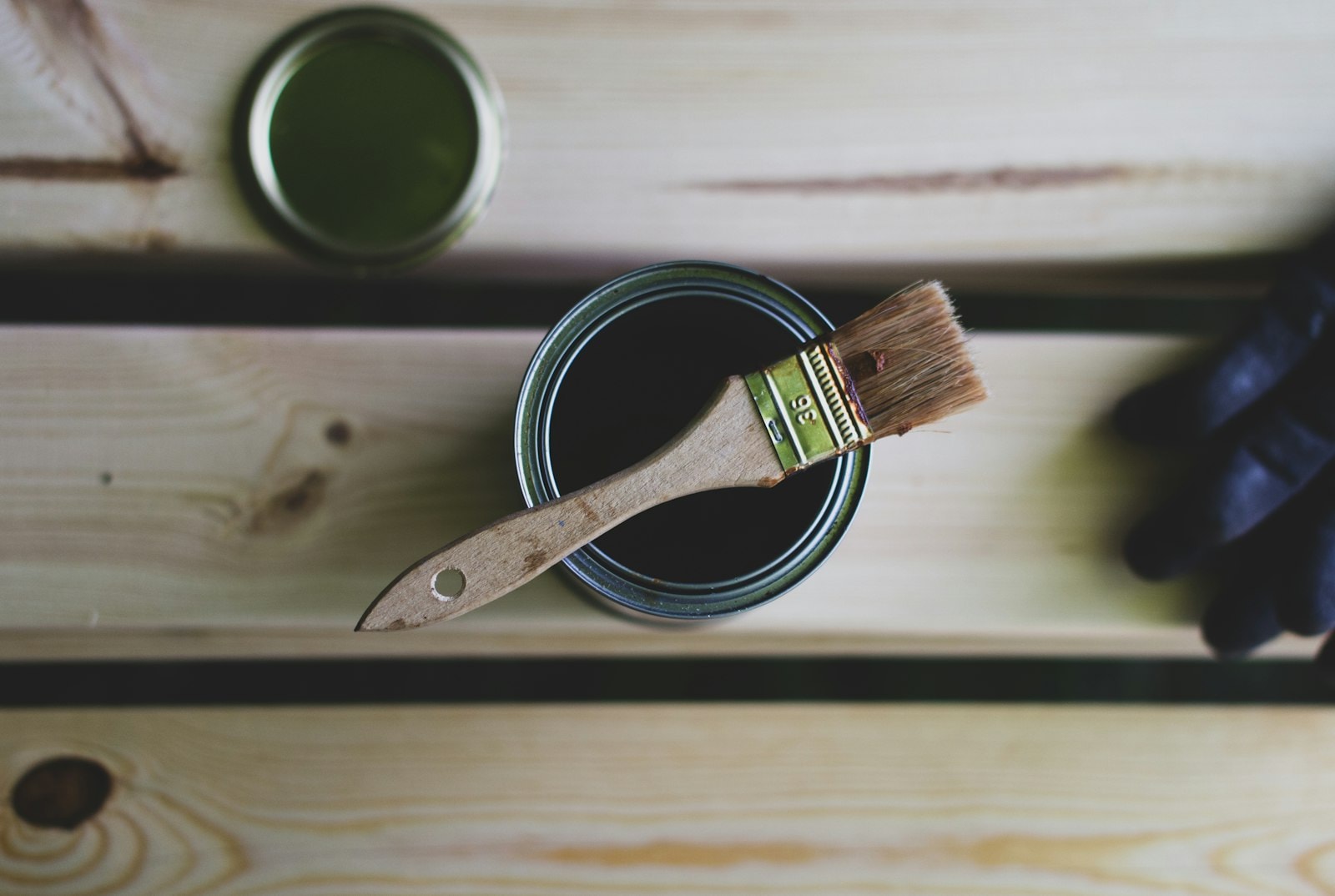
Dull or greyed wood: bringing an oiled piece back to life
A top that's lost its glow, a tone gone flat, almost grey: the piece looks worn out, but it's simply thirsty. The dulling of oiled wood isn't wear — it's a lack, and it can be filled. Count on an hour, a cloth and a bottle of oil.
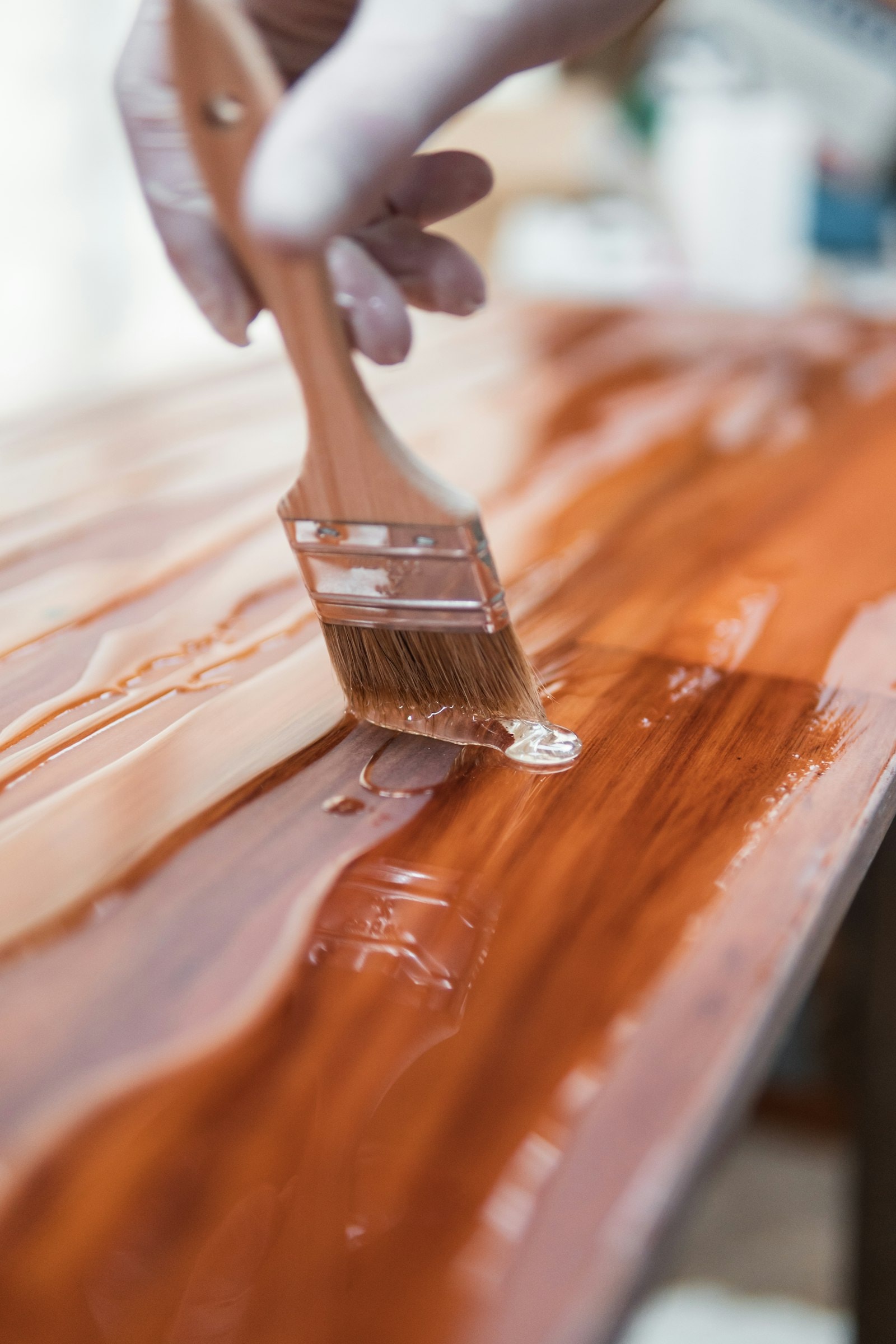
Oil, wax or varnish: which finish for solid wood?
The finish is what separates raw wood from a finished object — and it decides how your furniture will live, age and be repaired. Oil, wax, varnish: three philosophies more than three products. Here's an honest way to tell them apart.
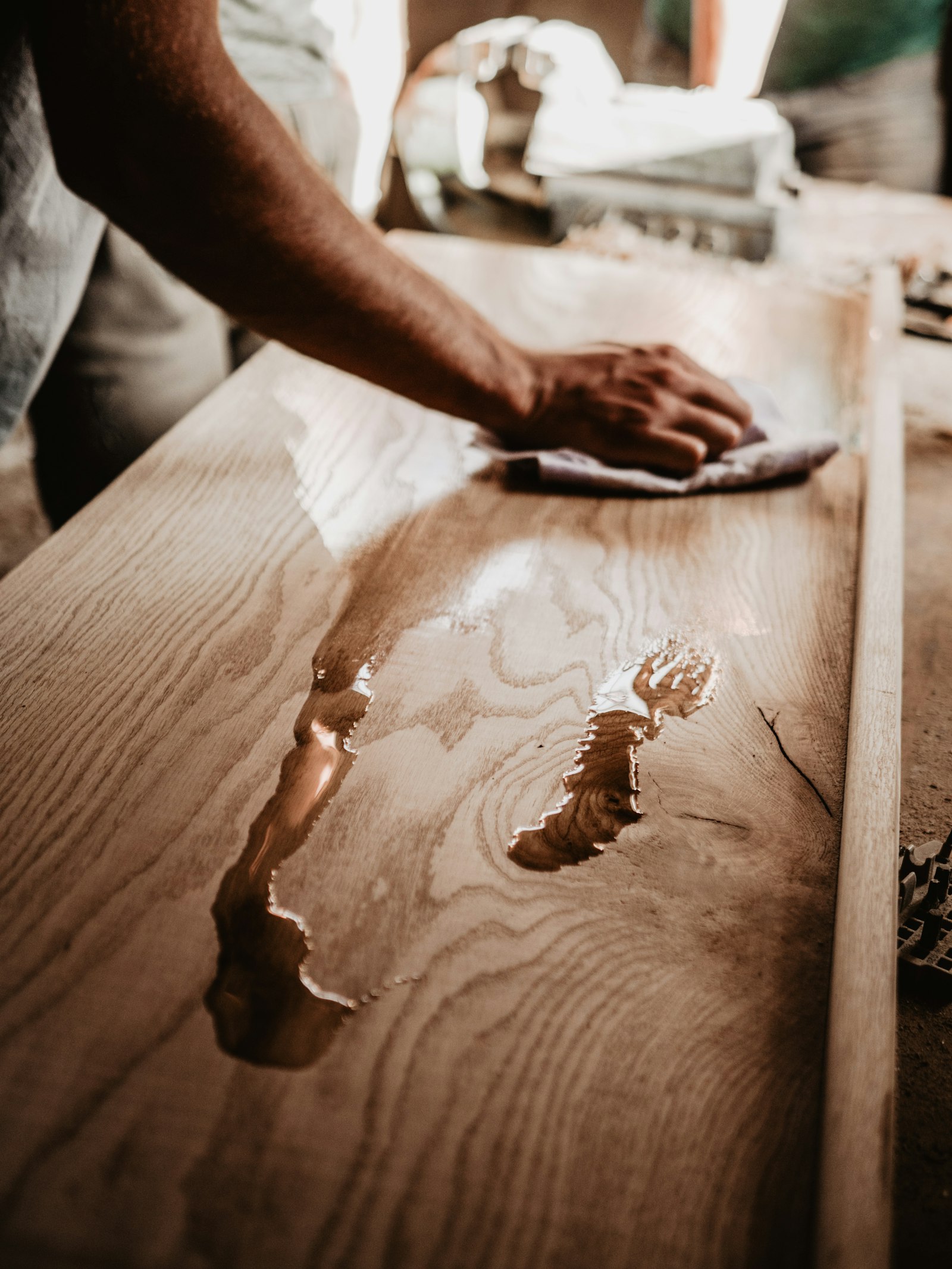
How to care for teak or suar furniture
Solid wood furniture requires almost no maintenance — that’s actually one of the reasons for choosing it. But the few simple steps it does require make all the difference between a room that loses its lustre and one that becomes more beautiful with age. Here is the routine we recommend for teak and suar, the two types of wood used in our workshops.
Veneer or solid: how to spot real wood furniture
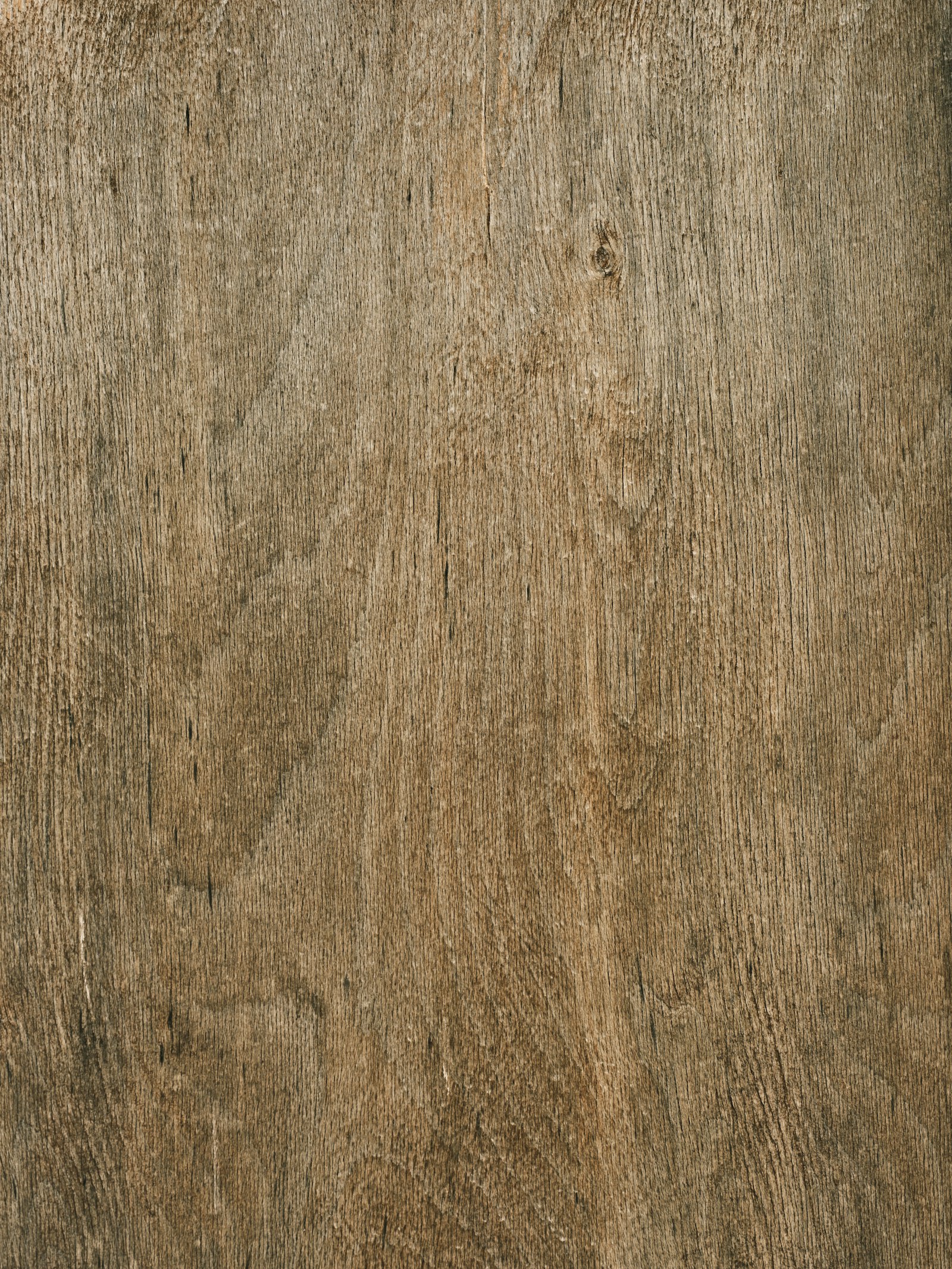
“Solid wood” has become such a widespread selling point that it sometimes appears on furniture containing almost none. Veneered fibreboard, “oak effect”, printed grain photos: there's a whole vocabulary for saying wood without using much of it. Here's how to tell the difference, in a shop or online.
Suar and teak: two woods, two temperaments
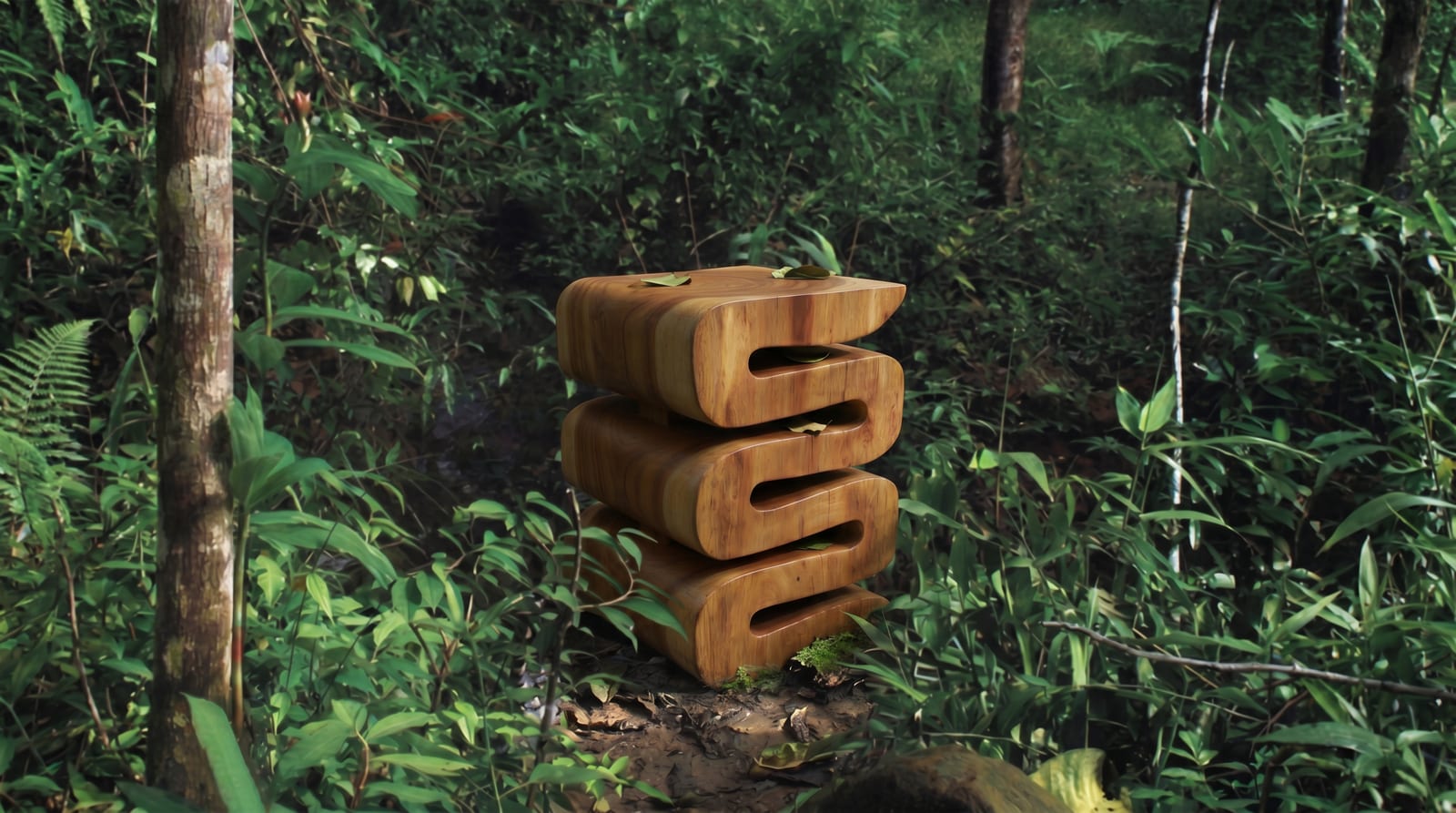
Our pieces are born of two Indonesian species that differ in everything but longevity: suar and teak. Understanding their character already tells you which piece belongs in your home.

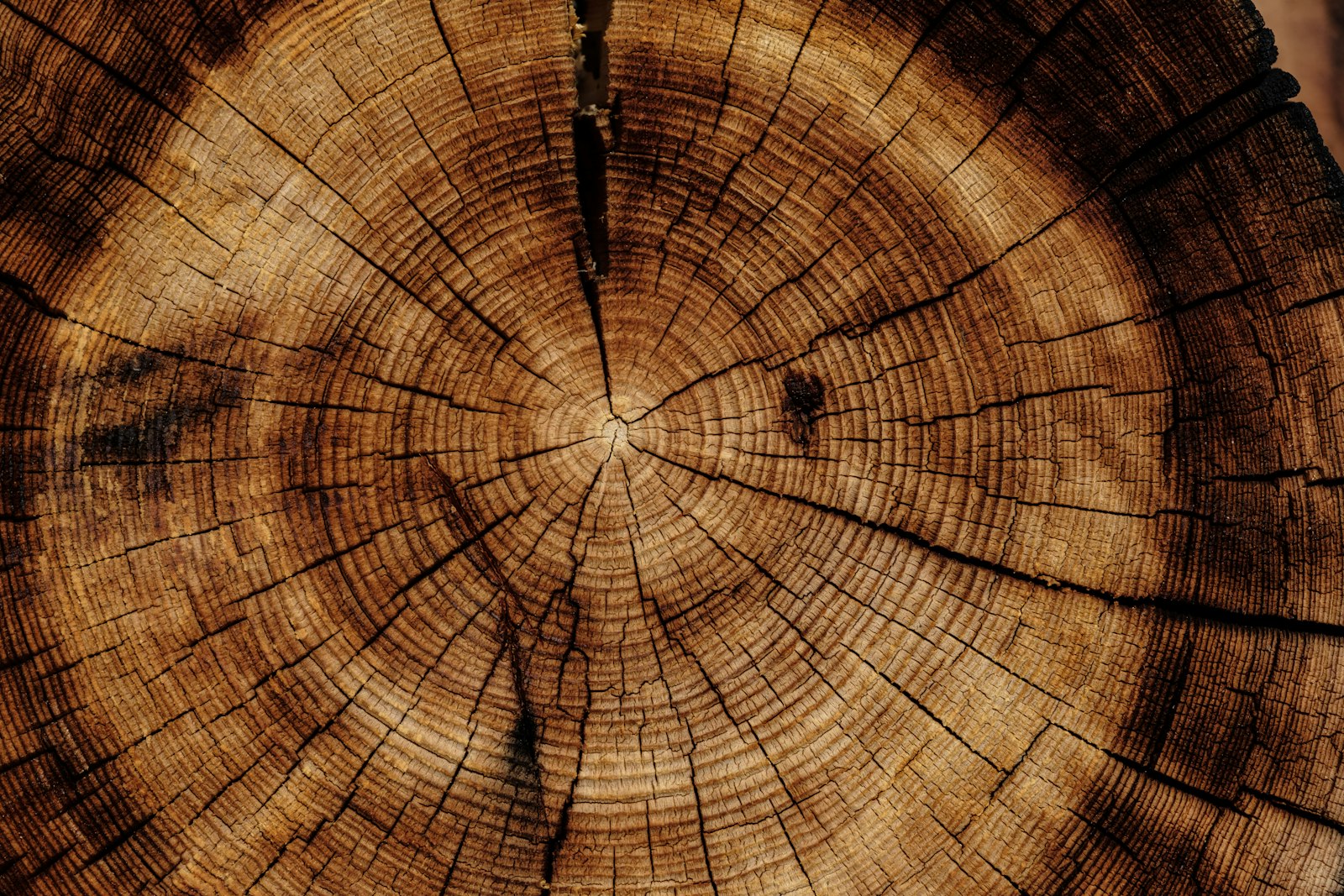
From the Suar log to the sculptural object
Every Maison Miraku piece begins long before it reaches the workshop: in the Indonesian forest, where the Suar tree grows – a dense wood renowned for its spectacular growth rings and warm colour.