White ring or mark on a wooden table: what to do?
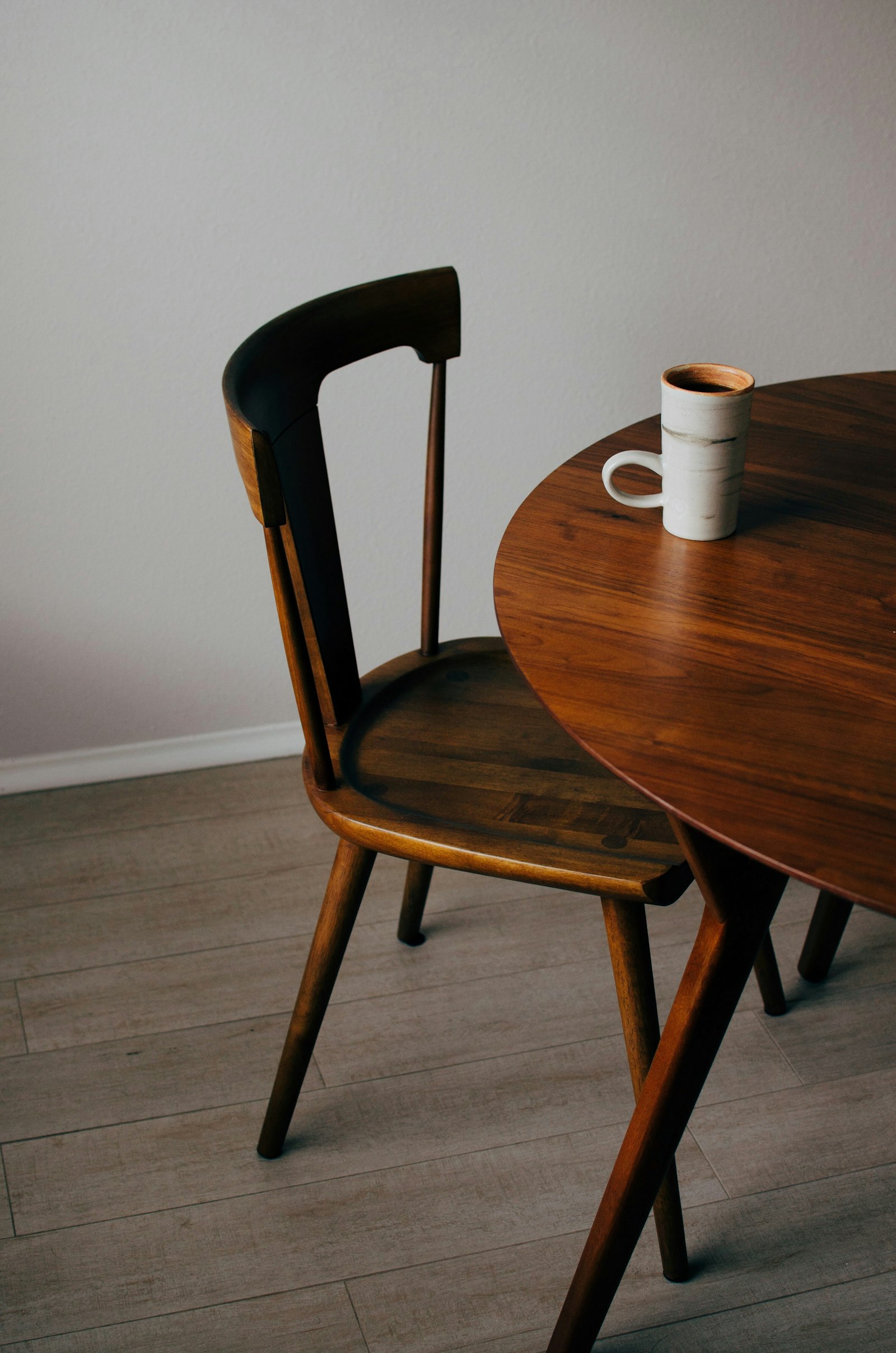
A forgotten glass, a scalding mug, a sweating vase: the white ring is the most common wound on wooden furniture — and the most repairable, provided you understand where it comes from and start with the gentlest gestures.
A white mark is almost always good news in disguise: it means moisture or heat stayed trapped in the finish without reaching the wood itself. (A dark stain, on the other hand, means water got into the fibre — the treatment then goes deeper.) White: treat the surface. Dark: treat the material.
From gentlest to firmest
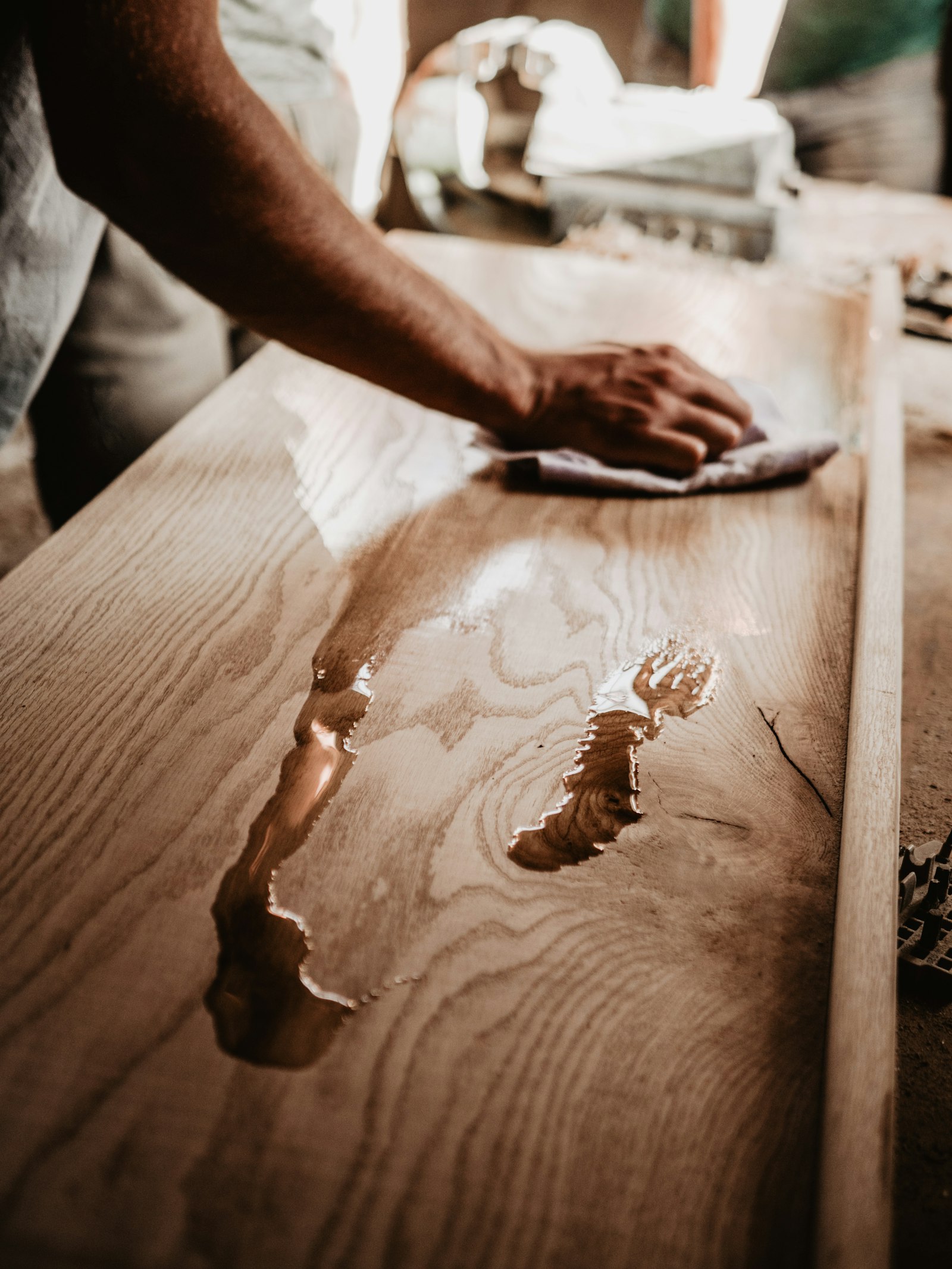
Start gentle: a dry cloth and a little patience, as a recent ring sometimes evaporates on its own within days in a temperate room. Then the great classic: a few drops of cooking oil on a soft cloth, rubbed along the grain — the oil replaces the trapped moisture and restores the finish's transparency. Leave it overnight, then wipe.
“You don't fight a water mark with water: you replace it with oil.”
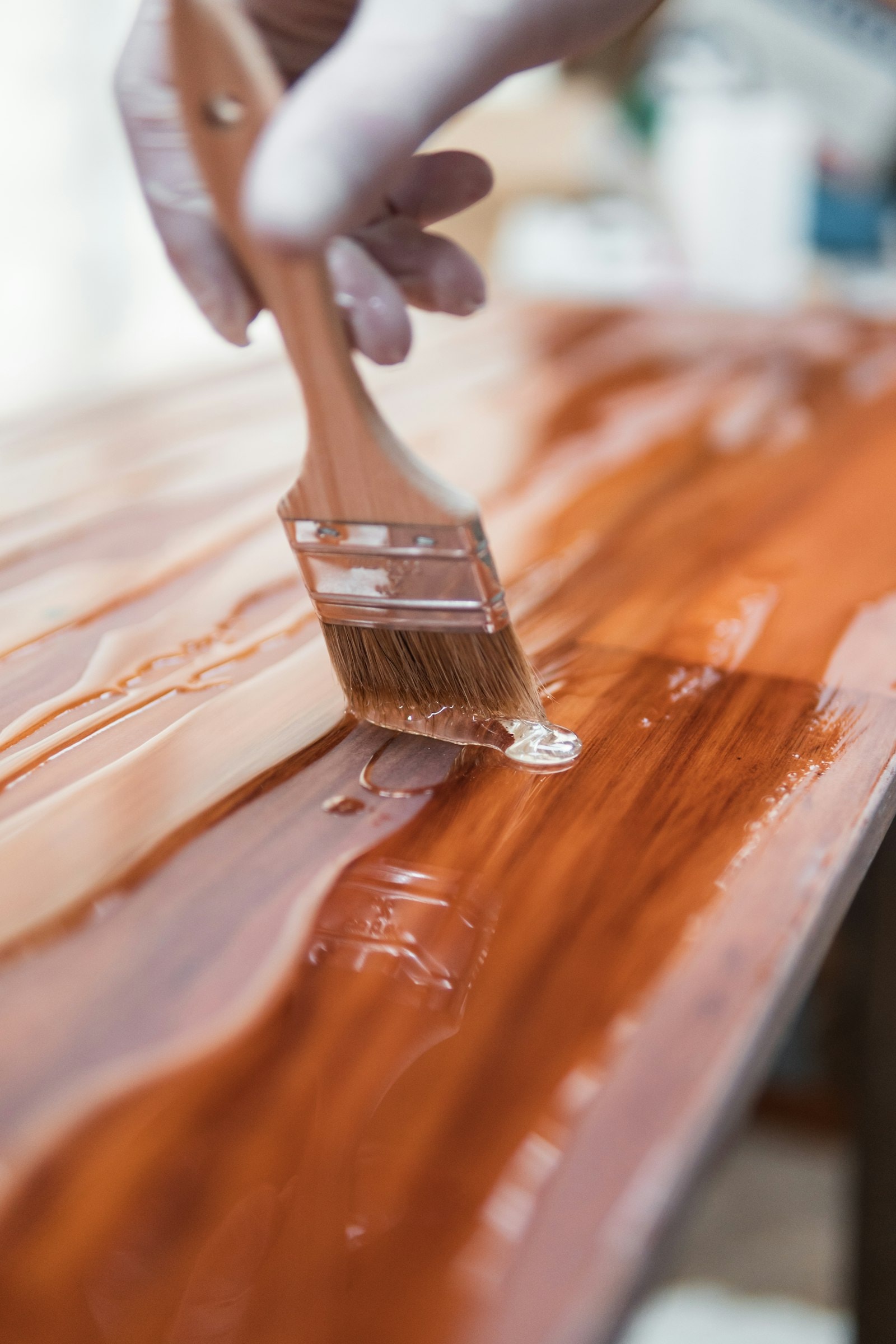
If the mark resists and your piece is oiled — as all of ours are — the definitive fix takes three gestures: a very light sanding of the area with fine-grit paper (240 and up), a dust-off, then a touch of wood oil applied with a cloth. The mark disappears, locally, without redoing the whole top. This is exactly why we choose this finish.
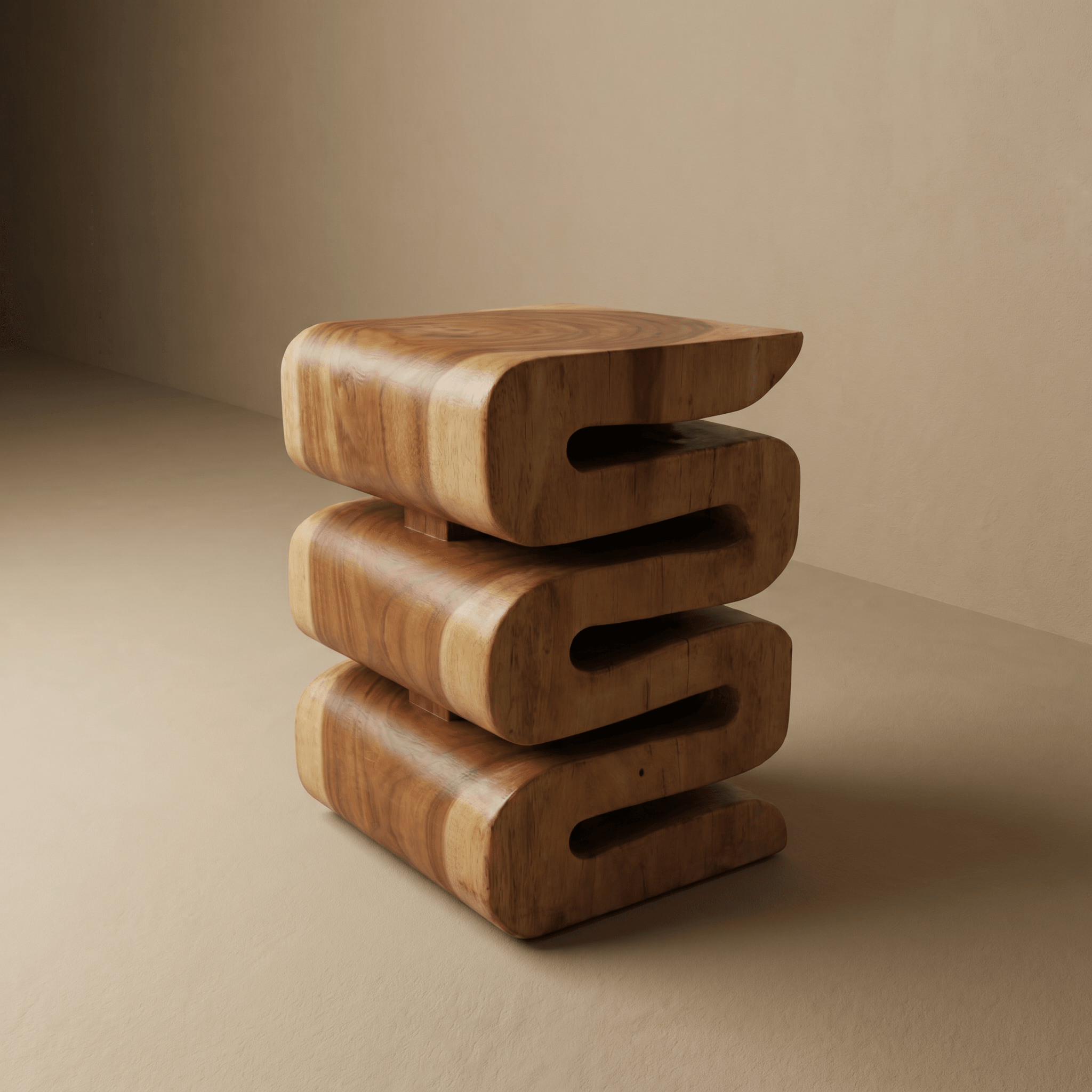
And so it doesn't happen again: a coaster for anything icy, a trivet for anything off the stove. Condensation and heat are the only two real enemies of a wooden top — two objects are enough to keep them away for good.
Protection, done beautifully
Our solid teak trivet does exactly this job — and it's handsome enough to stay on the table.
Visit the shop