Handcrafted or industrial: how to spot truly handmade furniture
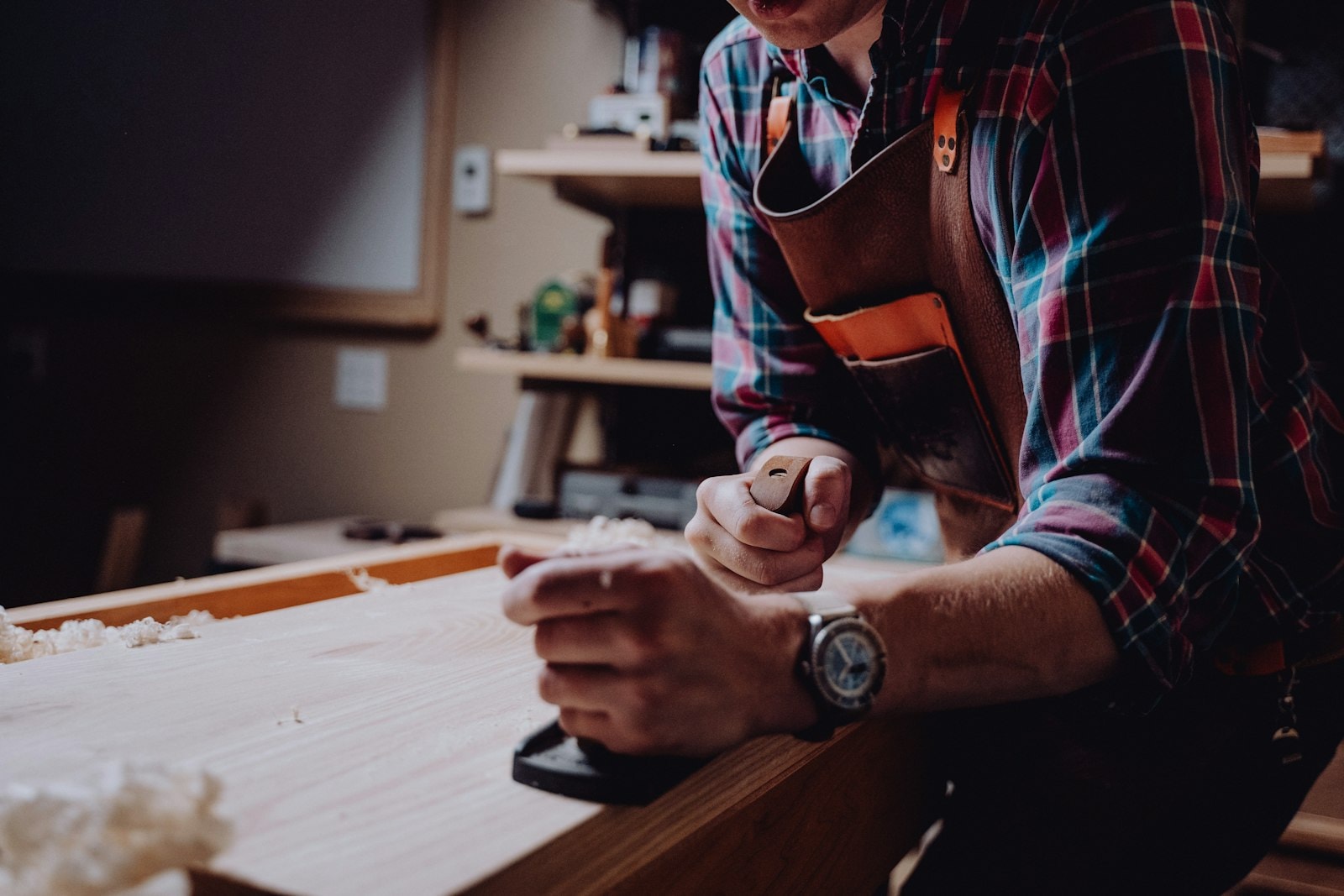
“Handmade”, “artisanal”, “crafted with love”: workshop vocabulary has become an advertising claim nobody polices. Fortunately, genuine handwork leaves material clues — six, precisely — that no marketing department can counterfeit.
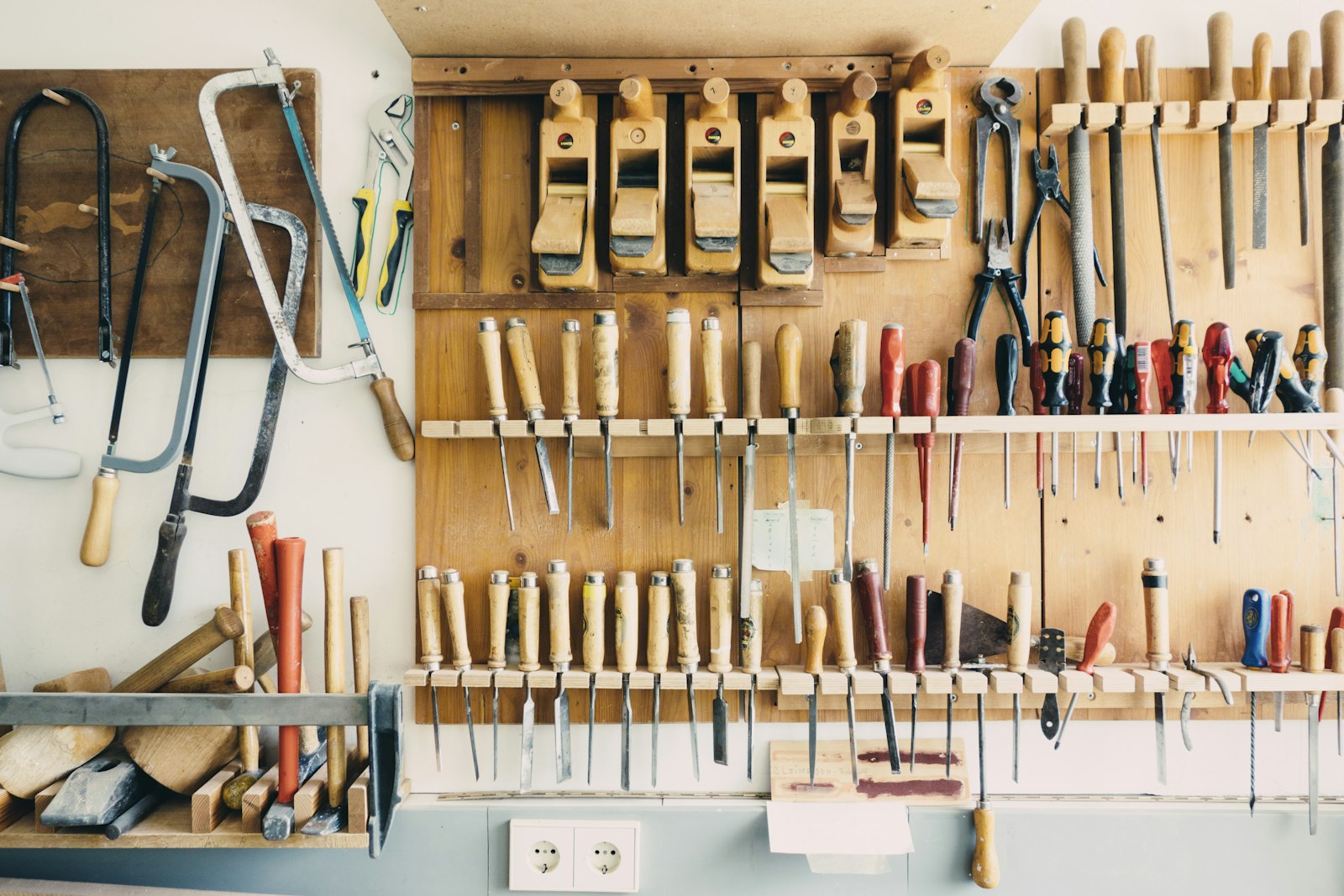
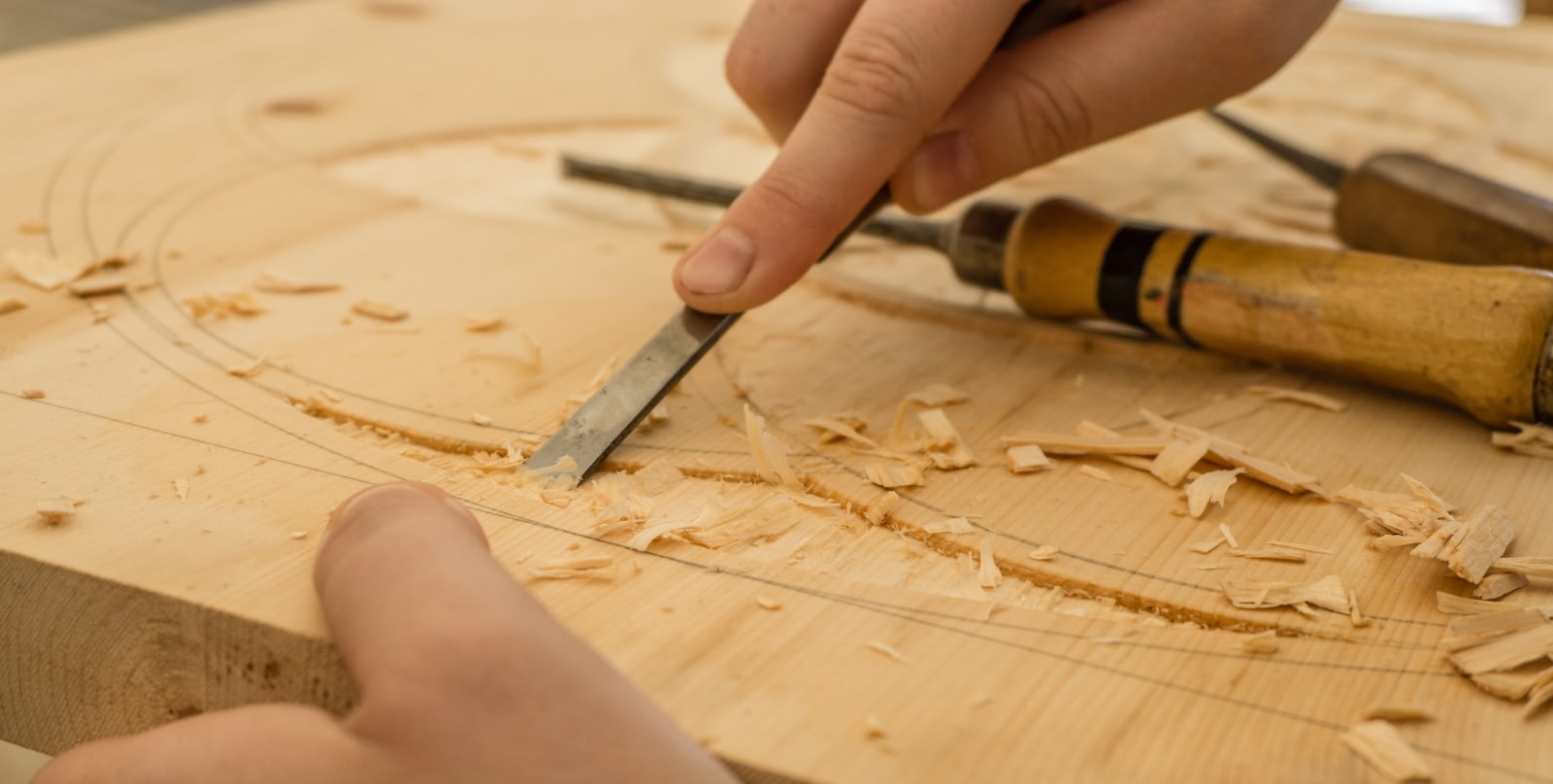
First clue: turn the piece over. Industry saves on the invisible — raw undersides, stapled fibreboard backs, bare inner edges. The artisan finishes what can't be seen, because he doesn't know how to work otherwise. Second: fine tool marks and slight asymmetries, owned rather than masked. Third: weight and material that goes all the way through — an edge showing the same grain as the top, a mass that surprises the hand.
The clues that can't be faked
Fourth clue: the joinery. Tenons, mortises and dovetails show or can be sensed; industry screws and glues into board. Fifth: the grain. Two copies of a handmade piece never share the same figure — if two photos show an identical pattern, it's a print or repeated veneer. Sixth: the scale of the runs. An artisan announces dimensional variations, lead times, sometimes a waiting list; the factory promises identical, immediate, infinite.
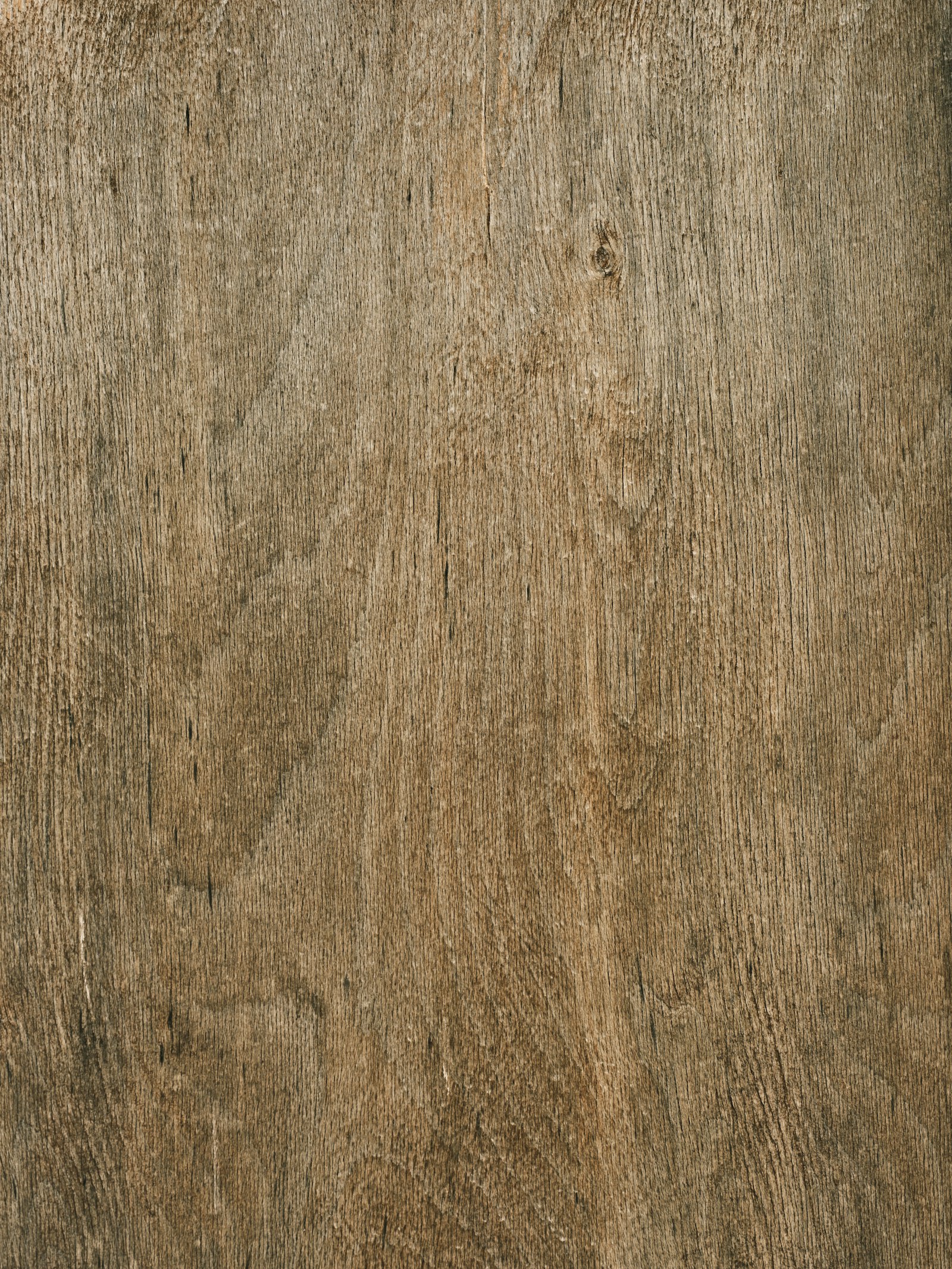
“Industry erases the traces of making; the artisan owns them. That's his signature.”
Let's be clear: industrial furniture has its place, and some factories do serious work. But calling a carcass churned out by the thousand “artisanal” empties the word of meaning — and steals something from those whose hands actually do the work. The micro-asymmetry of a carved piece isn't a quality defect: it's proof that a person, not a program, decided every curve.
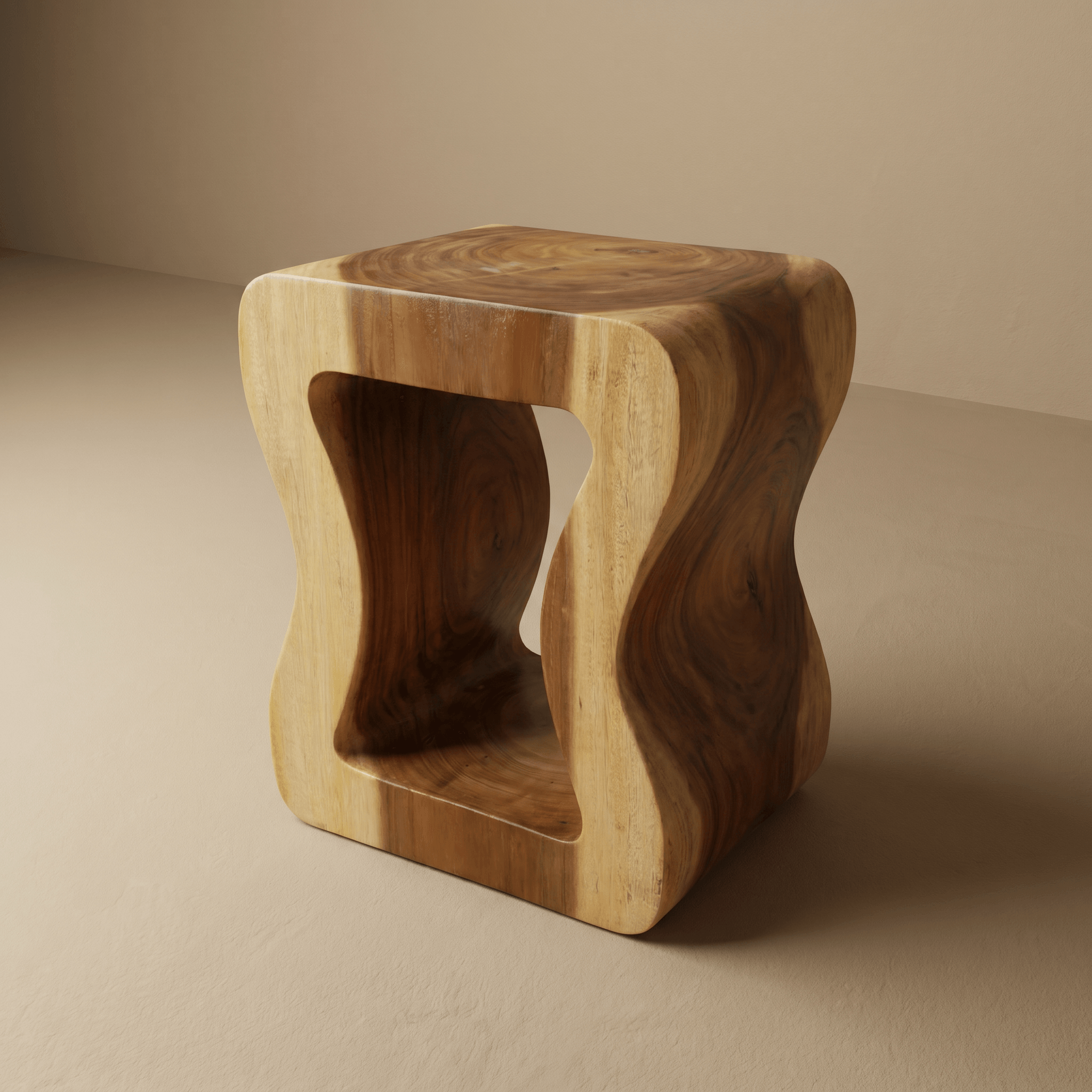
Finally, watch for the vocabulary that gives it away: “wood effect”, “solid look”, “artisanal style”, “workshop inspired”. Every circumlocution is a confession. Real handwork describes itself simply: the species, the origin, who made it, how long it takes.
The six-question checklist
In store or online, it comes down to six questions: Is the underside finished? Is the exact species named? Is the weight stated? Is the joinery described? Are the photos real shots of an actual piece, or a 3D render? Does the seller announce variation from one copy to the next? Three “no”s and you know where you stand.
Handmade, in short, is recognised by touch and confirmed by time: it's the furniture whose hands you can name, the kind that ages into beauty. Our pieces are born that way, in the workshops of Jepara — and each arrives with its proof.
Photographed as they are
Species, weight, dimensions, real grain: every Maison Miraku piece presents itself without retouching or circumlocution.
See the pieces