Why solid wood furniture costs more (and lasts longer)
It's the most honest objection there is: “it's beautiful, but it's expensive”. So let's face it squarely. Yes, solid wood furniture costs more than veneered board. Here's what that price actually contains — and why, spread over years of use, it almost always ends up reversing.
First, the material. A tree takes decades to produce a slab wide and sound enough for a single-piece top. That slab then dries for months before it can be worked — immobilised stock someone has to finance. And legal, traced, certified timber structurally costs more than paperless wood: traceability is work, not a rubber stamp.
What you're really paying for
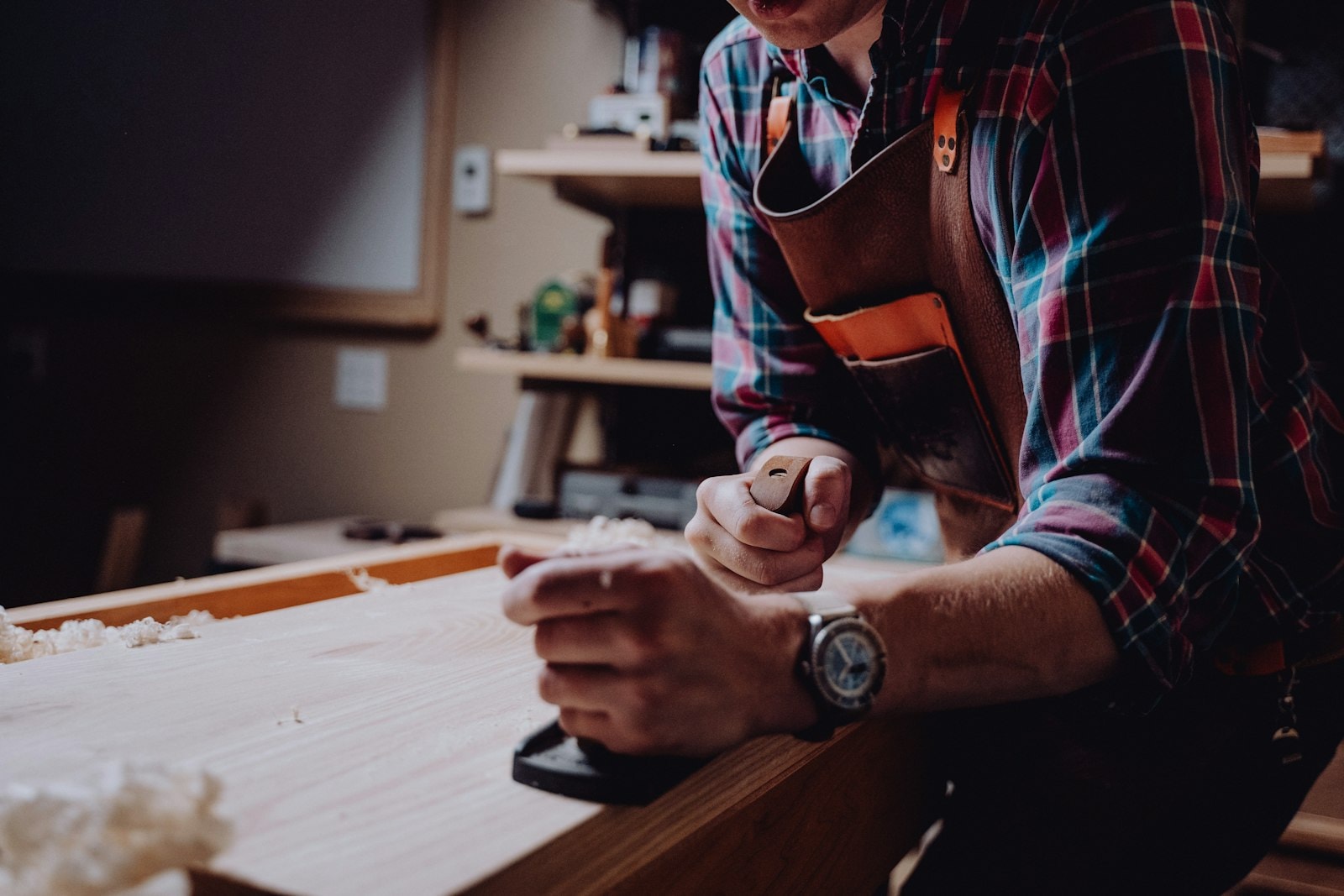
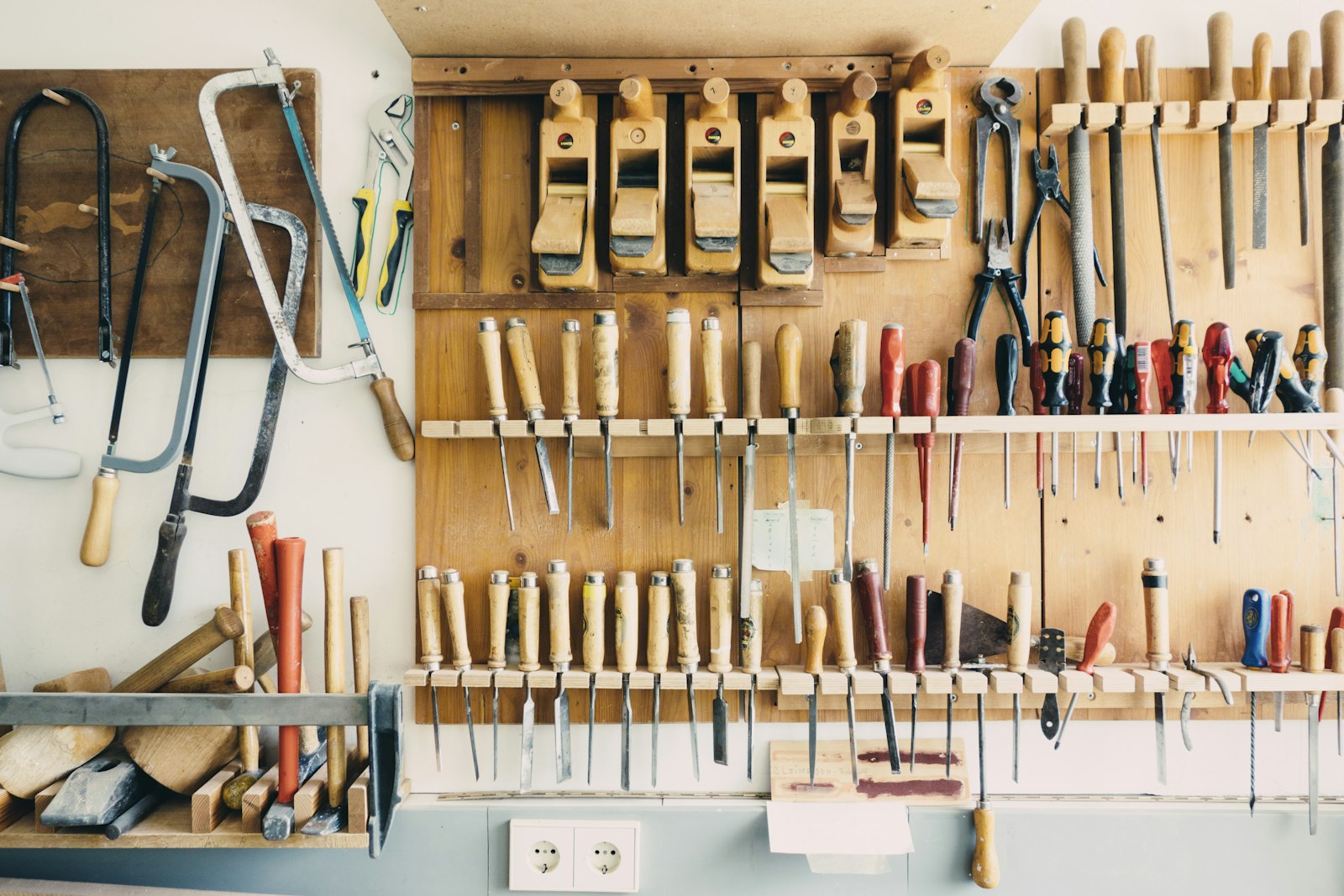
Then, the hands. A piece carved from the mass passes through hours of gestures — marking out, roughing, carving, sanding through successive grits, oiling, buffing — performed by artisans whose skill took years to build, often handed down in the family as in Jepara. Every manual step is qualified human time. It's the difference between an object that is made and an object that is output.
“The price of a solid wood piece pays for years: the tree's, then the hand's.”
Now run the numbers the other way. An entry-level piece replaced every five or six years gets bought three times in twenty years — deliveries, assembly and waste included. The solid piece crosses the same period improving, gets repaired locally instead of replaced, and keeps resale or heirloom value. Cost per year of use then switches sides.
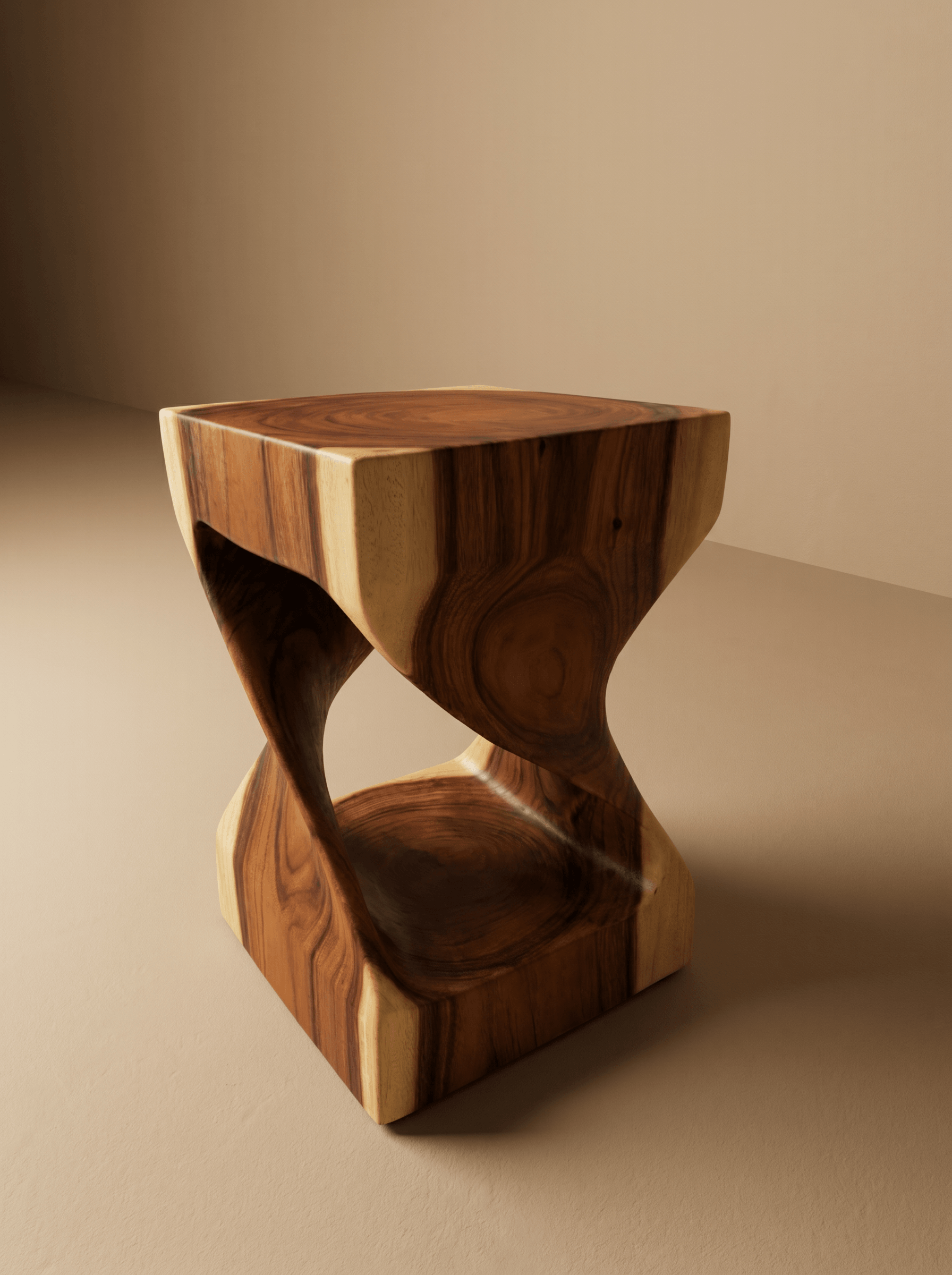
So how do you recognise a fair price? A solid wood seller documents: exact species, origin, certifications, dimensions, weight, real photos of the piece. Vague wording — “engineered wood”, “solid look” — signals the opposite. And “solid wood” at veneer prices should raise the same eyebrow as a twenty-euro luxury watch.
“Cheap” has a price of its own
What the disposable furniture label doesn't say: a particleboard carcass swells at its first water contact, doesn't survive its first real scratch, and rarely withstands two house moves — screws re-driven into chipboard only hold so long. Its resale value is zero; its destiny, the skip. That cost appears on no label, but someone always pays it.
Our conviction fits in one sentence: buy less, buy better, buy once. And you don't need to furnish a whole house to start — a solid wood accent piece is a reasonable entry ticket into objects that last.
The fair price of lasting things
Species, dimensions, weight, certifications: at Maison Miraku, it's all written on every product page. The rest, the piece will prove over decades.
See the pieces