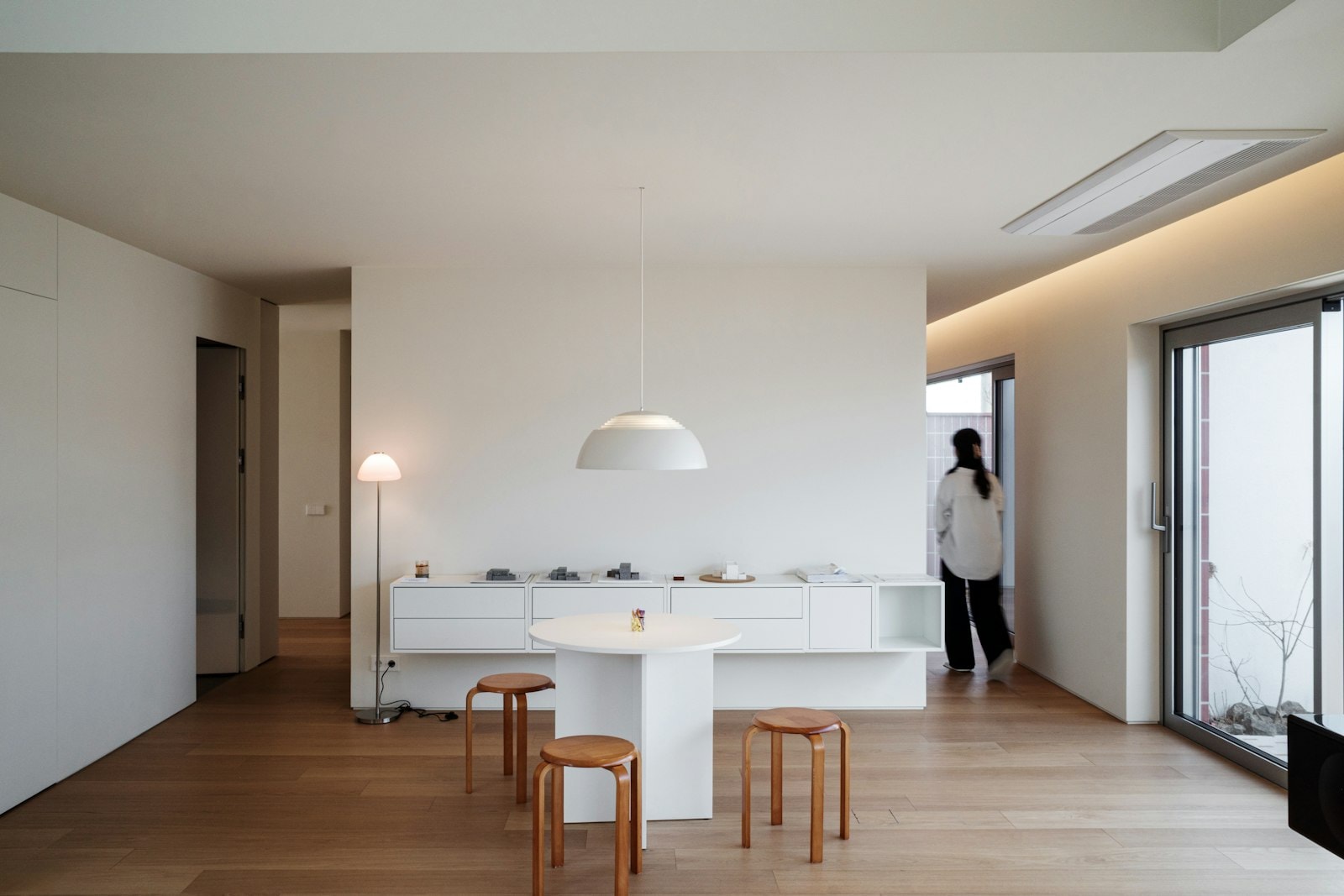
Slow decor: furnish less, but better
Social media invented a strange object: the “finished” interior, photographed on delivery day, perfect and interchangeable. Slow decor proposes the opposite — a home built slowly, in layers, at the pace of finds and means, never finished because a life never is.
Its discipline fits in five questions, to ask before any purchase: Will I still want it in ten years? Can the material be repaired? Do I know who made it, and how? Where will it end up when I no longer want it? And the most important: do I want it, or has the algorithm just shown it to me fifteen times?
Building in layers
The method starts with a “forever” piece — the anchor. Around it, keep what has a story, remove what doesn't, and leave the gaps open: a corner waiting for the right object beats a corner filled with the wrong one. Emptiness isn't a decorating failure; it's a reserved seat.
“A home isn't a photo to finish: it's a story to let itself be written.”
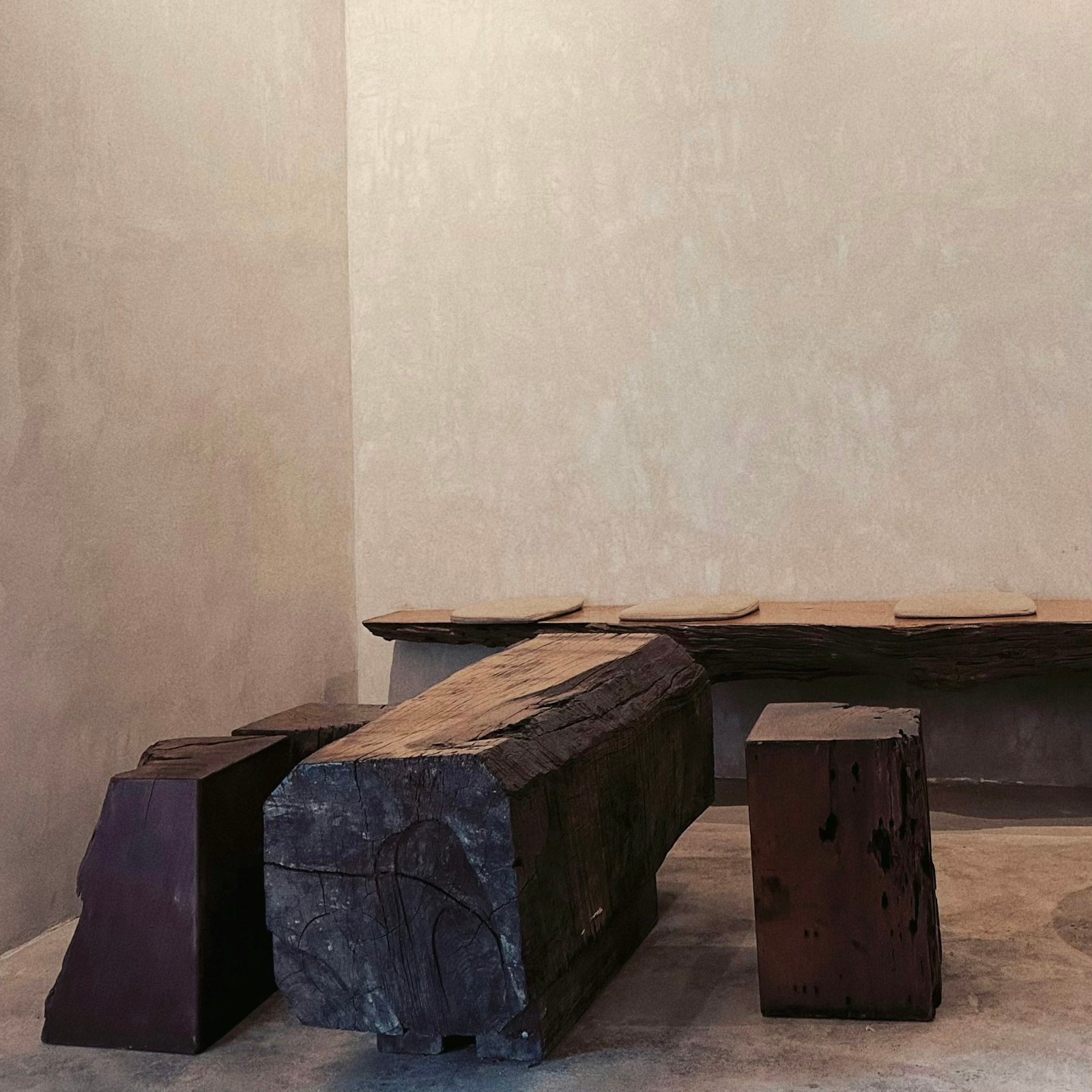
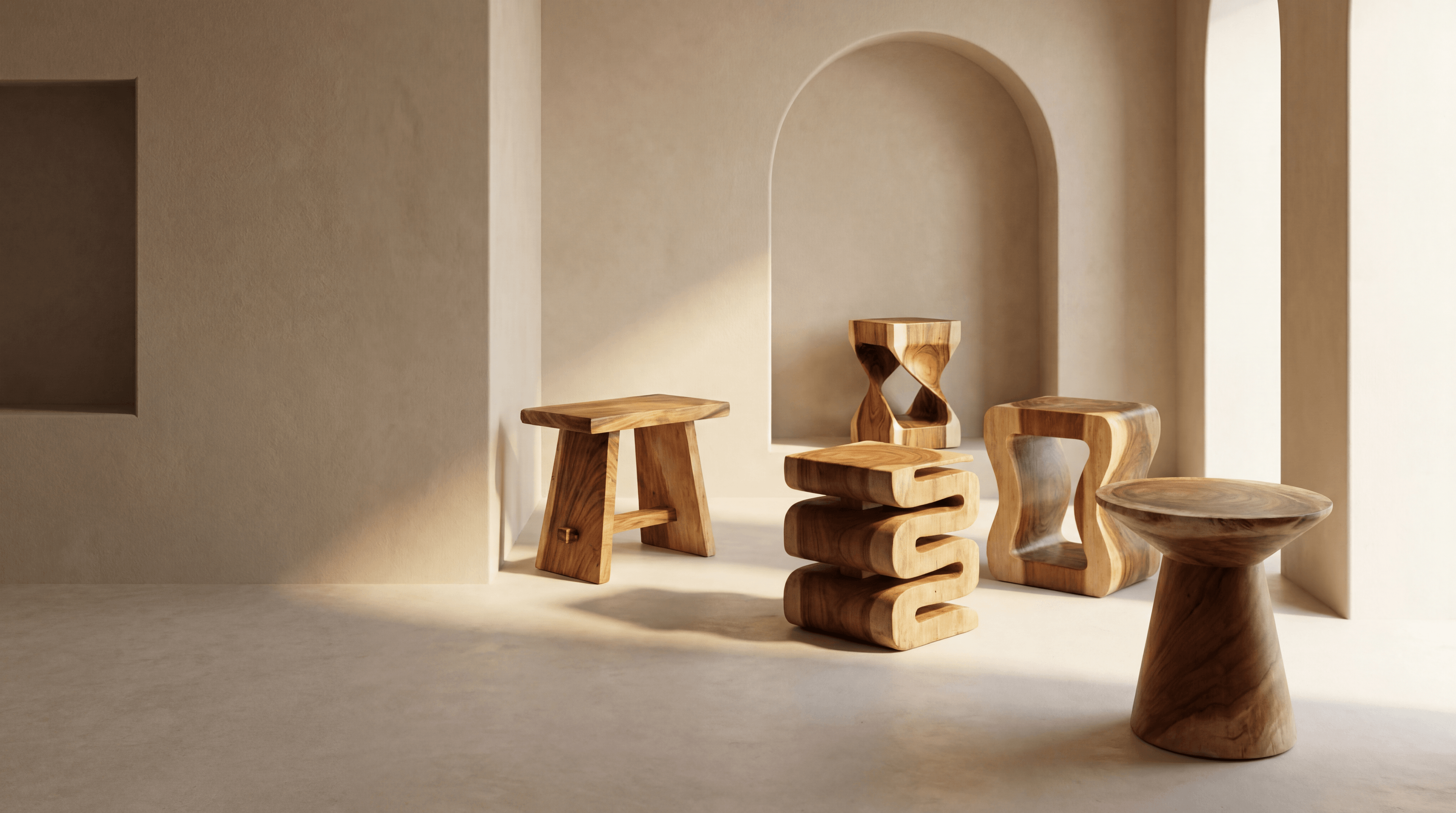
Sorting materials does the rest. Solid wood, linen, ceramic, leather, stone: they age into beauty, and their patina is the exact opposite of dated. The materials that “date” are the ones that don't know how to age. That's why a solid wood accent piece is often the ideal first stone of slow decor: small in size, lasting by nature, it sets the tone without imposing anything.
Where to start tonight? Remove three objects that no longer speak to you. Write down the next piece you'll genuinely wait for — not the one delivered tomorrow, the one worth a month's thought. Slow decor isn't one more aesthetic: it's the luxury of choosing slowly.
The piece worth waiting for
Hand-carved from a single block, unique in grain: Maison Miraku pieces are meant to be chosen slowly and kept for a long time.
Take time to choose