A scratch on wooden furniture: fix it without sanding it all
It always ends up happening: keys dropped too fast, a toy dragged across, the moving box. On oiled solid wood furniture, though, a scratch is never a death sentence — it's a touch-up waiting its turn. But start by understanding it, because the right gesture depends on its depth.
The diagnosis takes two gestures. Run a fingernail across the mark: if it glides without catching, the scratch lives in the finish, not the wood — a ten-minute job. If it catches, the fibre is cut: sanding is needed, but only locally. Raking light (a lamp set on the top) will also show whether the mark is isolated or the whole area is tired.
Gentle gestures first
For a surface scratch on oiled wood, no need for abrasives. Rub the mark with a soft cloth and a few drops of wood oil, along the grain: most surface scuffs melt into the freshly fed finish. On dark wood, the old walnut-kernel trick genuinely works — its natural oils re-tint the pale line — before finishing with oil. Let it rest overnight and judge in daylight.
“On an oiled piece, a scratch isn't a wound: it's a touch-up waiting its turn.”
This is where the finish decides everything. That local repair is impossible on varnished furniture — the film must be redone entirely — and unthinkable on veneer, whose wafer-thin wood layer won't survive real sanding. Oiled solid wood repairs forever, area by area. That's exactly why we chose this finish.
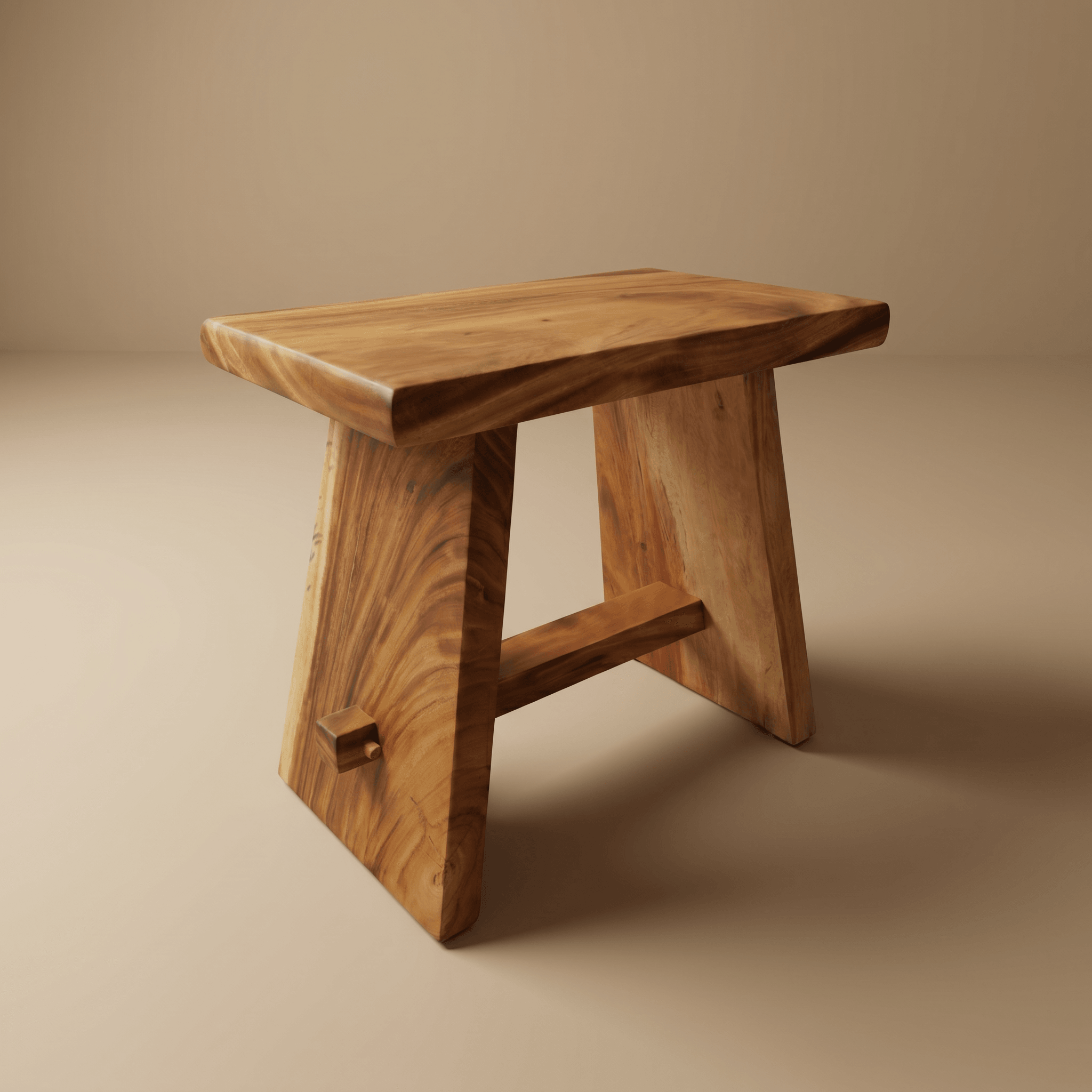
One last option remains, too often forgotten: doing nothing. A fine mark on a living tabletop is one more line in a biography — wabi-sabi built an entire aesthetic on it. Repair or keep: the choice is yours. Having the choice is solid wood's luxury.
Deep scratch: step by step
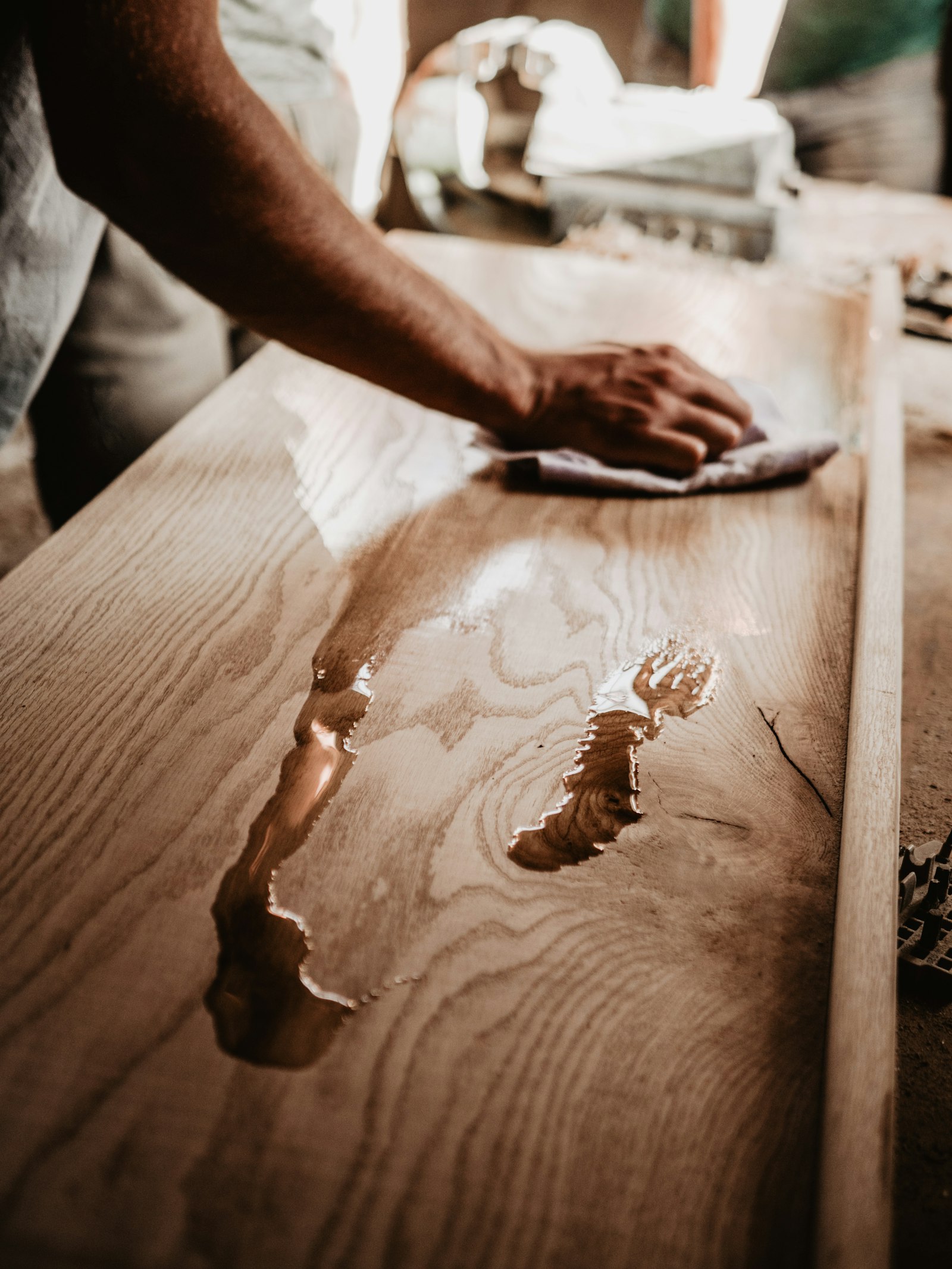
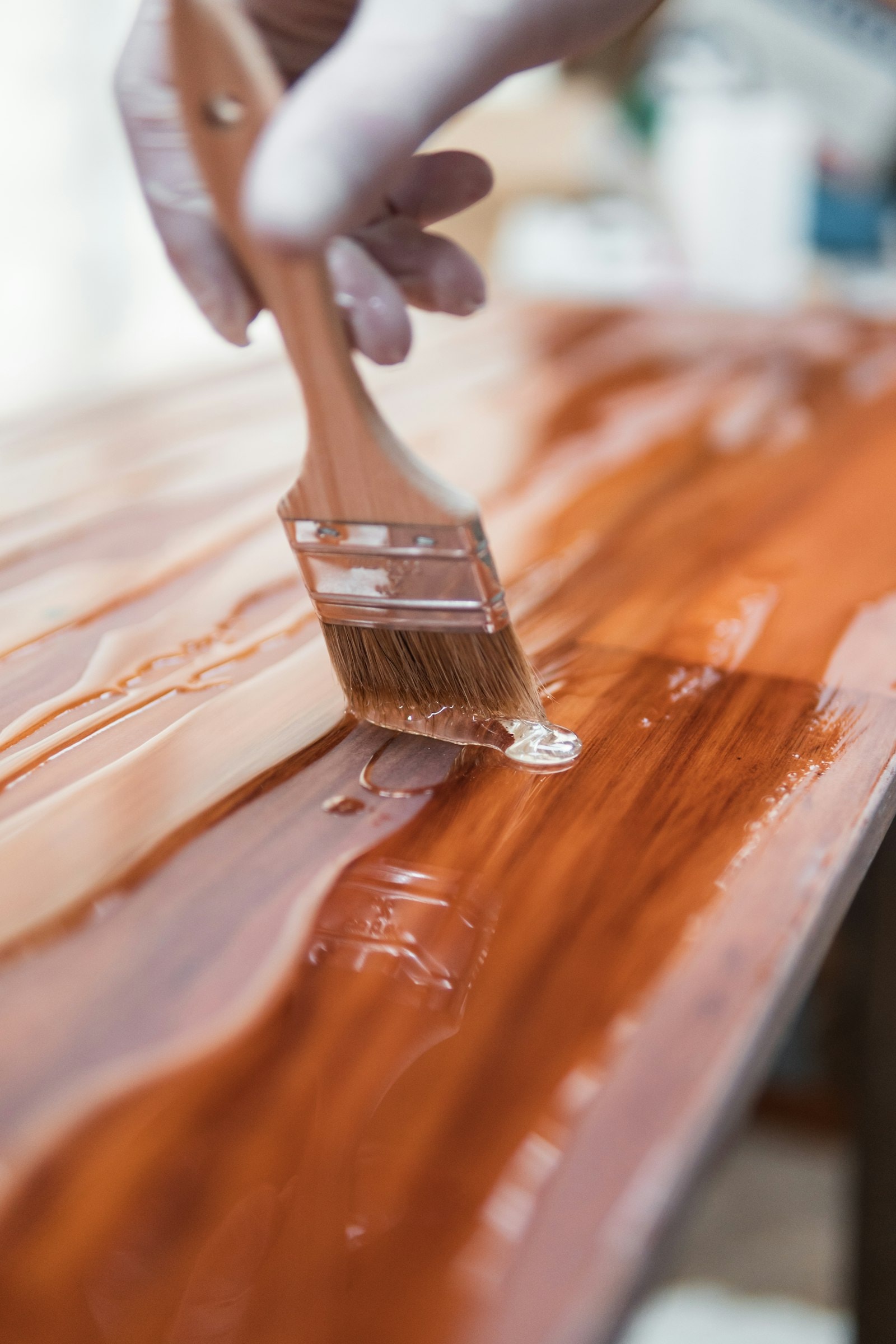
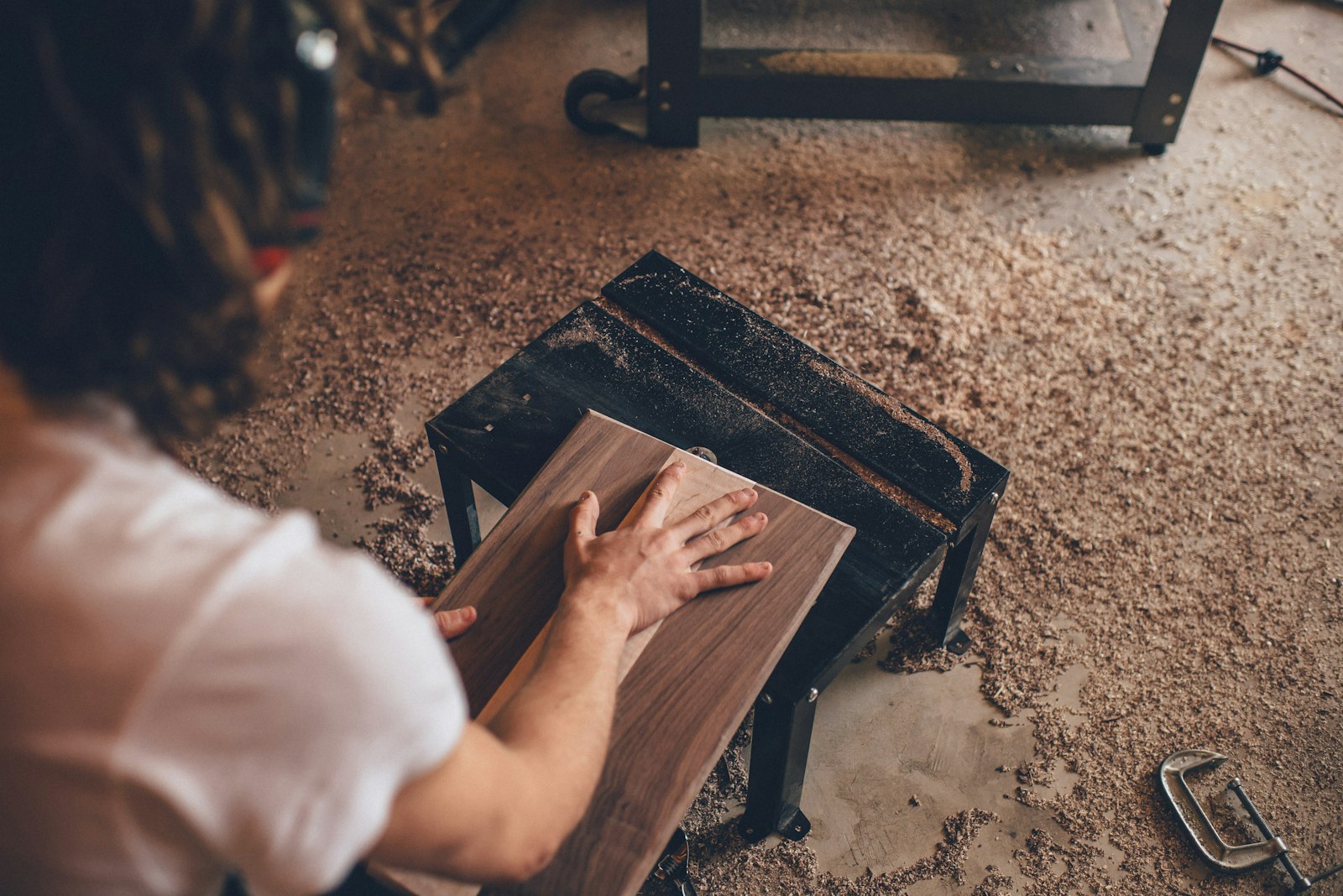
If the nail catches, here's the full method. Clean and dry the area. Sand with fine-grit paper (240 then 320), strictly along the grain, feathering slightly beyond the mark to avoid a hollow. Dust off with a barely damp cloth, let dry. Apply a thin coat of wood oil with a lint-free cloth, let it soak twenty minutes, wipe off the excess thoroughly.
The next day, buff gently: the area should melt into the top. And to make next times rarer: felt pads under anything that moves, lift rather than slide, a mat under rough-bottomed ceramics. Without putting the piece under glass, though — it's made to be used.
Pieces you can repair, indefinitely
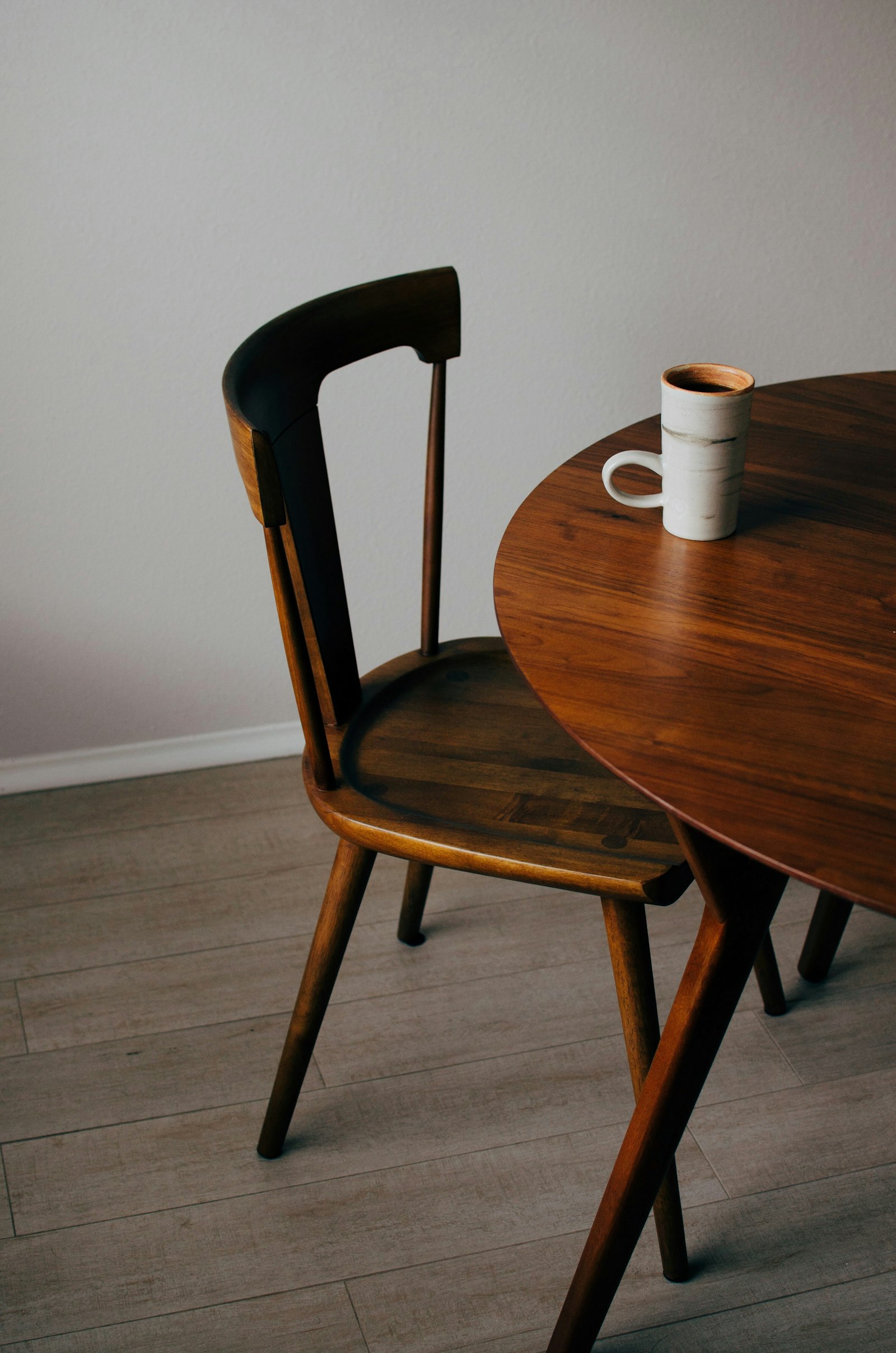
Solid suar and teak, natural oil finish: every Maison Miraku piece can be sanded, re-oiled and passed on — never thrown away.
Discover the collection